


What is a Power Wheelchair? Features, Benefits & Types

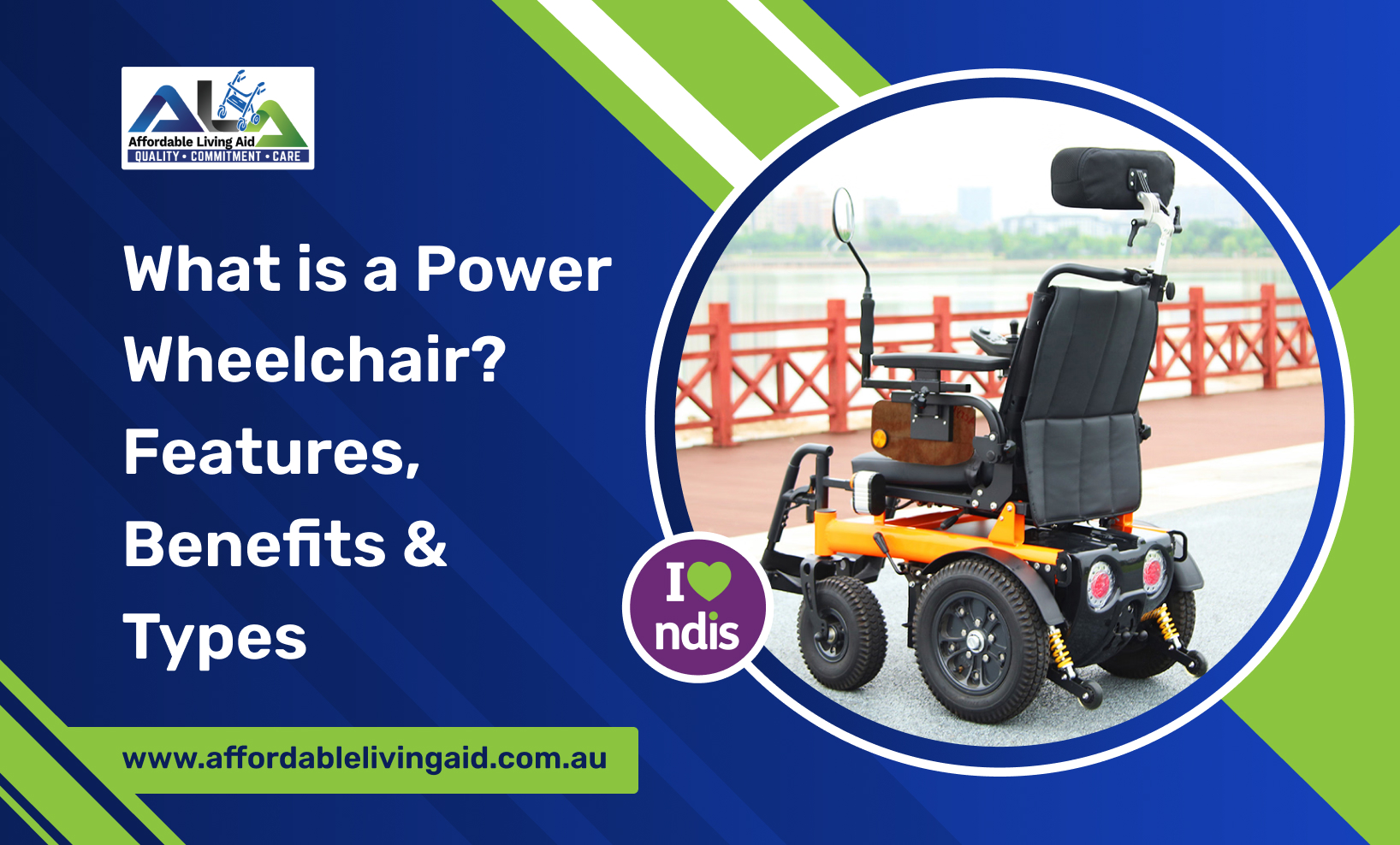
A power wheelchair is an electric mobility device designed to help people with limited mobility move safely and independently. Unlike manual wheelchairs, a power wheelchair uses a battery-powered motor and is controlled with a joystick or controller.
These wheelchairs are a key part of assistive technology and are widely used by seniors, people with disabilities, and rehabilitation patients. In Australia, power wheelchairs are also commonly provided through NDIS support programs to improve daily mobility.
For many individuals, a power wheelchair provides more than just movement. It improves independence, reduces caregiver strain, and allows users to participate more comfortably in everyday activities at home or outdoors.
What is a Power Wheelchair?
A power wheelchair is a motorized mobility aid designed for people who cannot easily push a manual wheelchair. It runs on rechargeable batteries and is controlled using a joystick or specialized controller.
Power wheelchairs are part of modern homecare equipment and mobility support solutions used by seniors and people with disabilities across Australia.
Key characteristics include:
- Electric motor and rechargeable battery
- Joystick or electronic control system
- Comfortable seating and adjustable support
- Indoor and outdoor driving capability
- Enhanced safety features
These wheelchairs are commonly recommended for individuals who need long-term mobility assistance or have limited upper body strength.
Key Power Wheelchair Features
Power wheelchairs come with a wide range of advanced features designed to improve comfort, safety, and usability.
1. Electric Motor and Battery System
The core feature of any power wheelchair is its electric motor. This motor is powered by rechargeable batteries that allow the wheelchair to move without physical effort.
Most models can travel between 10–25 km on a single charge, depending on battery capacity and terrain.
2. Joystick Control System
Power wheelchairs are typically controlled using a joystick mounted on the armrest.
This control allows users to:
- Move forward and backward
- Turn left or right
- Adjust speed settings
- Stop quickly when needed
Some models also offer alternative controls for people with limited hand movement.
3. Comfortable and Adjustable Seating
Comfort is a major factor when choosing a power wheelchair.
Many models include:
- Adjustable armrests
- Reclining or tilt seating
- Cushioned back support
- Pressure-relief seat cushions
These features help users remain comfortable during long periods of sitting.
4. Advanced Safety Features
Modern power wheelchairs include safety features to protect users.
Common safety components include:
- Anti-tip wheels
- Electromagnetic brakes
- Seat belts
- Stable wheelbase design
These features make power wheelchairs a reliable mobility aid for seniors and individuals with balance challenges.
5. Indoor and Outdoor Mobility
Power wheelchairs are designed for both indoor and outdoor environments.
Users can move easily through:
- Homes and apartments
- Shopping centres
- Parks and outdoor pathways
- Healthcare facilities
Some heavy-duty models are built for rough terrain or longer travel distances.
Power Wheelchair Benefits
A power wheelchair offers several important benefits for users and caregivers.
1. Greater Independence
One of the biggest advantages is independence. Users can move around without relying on assistance.
This is especially helpful for seniors or people with disabilities who want to maintain an active lifestyle.
2. Reduced Physical Strain
Manual wheelchairs require upper body strength to push and steer. For many users, this can cause fatigue.
A power wheelchair removes that physical effort, making mobility easier and more comfortable.
3. Improved Daily Living
Power wheelchairs make everyday activities more accessible.
Users can:
- Move around the house easily
- Participate in social activities
- Shop or visit parks
- Attend medical appointments
This significantly improves quality of life.
4. Better Caregiver Support
Power wheelchairs also benefit caregivers.
When individuals can move independently, caregivers experience less physical strain and can focus on other aspects of care.
Types of Power Wheelchairs
There are several power wheelchair types, each designed for different mobility needs.
1. Front-Wheel Drive Power Wheelchairs
These wheelchairs have the drive wheels located at the front.
Benefits include:
- Good obstacle climbing ability
- Suitable for outdoor environments
- Stable over uneven surfaces
They are often used for users who need stronger outdoor mobility.
2. Mid-Wheel Drive Power Wheelchairs
Mid-wheel drive models have the drive wheels in the centre.
Key advantages include:
- Excellent turning radius
- Ideal for indoor use
- Easy manoeuvring in tight spaces
These are commonly used in homes and care facilities.
3. Rear-Wheel Drive Power Wheelchairs
Rear-wheel drive models are the most traditional type.
Benefits include:
- Smooth ride at higher speeds
- Good outdoor stability
- Easy control on straight paths
They are suitable for users who travel longer distances outdoors.
Who Should Use a Power Wheelchair?
A power wheelchair is suitable for individuals who:
- Have limited upper body strength
- Experience fatigue when using manual wheelchairs
- Require long-term mobility assistance
- Need safer movement indoors and outdoors
- Use NDIS equipment for mobility support
These wheelchairs are often recommended for seniors, individuals with spinal injuries, neurological conditions, or rehabilitation patients.
Safety Tips for Using a Power Wheelchair
To ensure safe and effective use, follow these important tips.
Safety guidelines
- Always charge batteries fully before long trips
- Use seat belts if provided
- Avoid steep slopes unless the wheelchair is designed for them
- Perform regular maintenance checks
- Learn joystick controls before outdoor use
Caregivers should also ensure the wheelchair is properly fitted to the user’s body and mobility needs.
Choosing the Right Power Wheelchair
When selecting a power wheelchair, consider the following factors.
Important factors
- Indoor vs outdoor use
- Weight capacity
- Battery range
- Seating comfort
- Control system type
- Storage and transport options
A mobility specialist can help recommend the best assistive technology solution based on individual needs.
Conclusion
A power wheelchair is an essential piece of assistive technology that provides mobility, independence, and comfort for people with limited movement. With advanced features, improved safety, and different design options, power wheelchairs help users move confidently in their homes and communities.
For seniors, individuals with disabilities, and NDIS participants in Australia, choosing the right mobility equipment can significantly improve quality of life.If you are looking for reliable mobility aids, homecare equipment, rehabilitation tools, or daily living aids, explore the wide range of solutions available at Affordable Living Aid. Their expert team helps Australians find the right products to support safe and independent living at home.