


Differences Between Manual and Motorized Wheelchairs

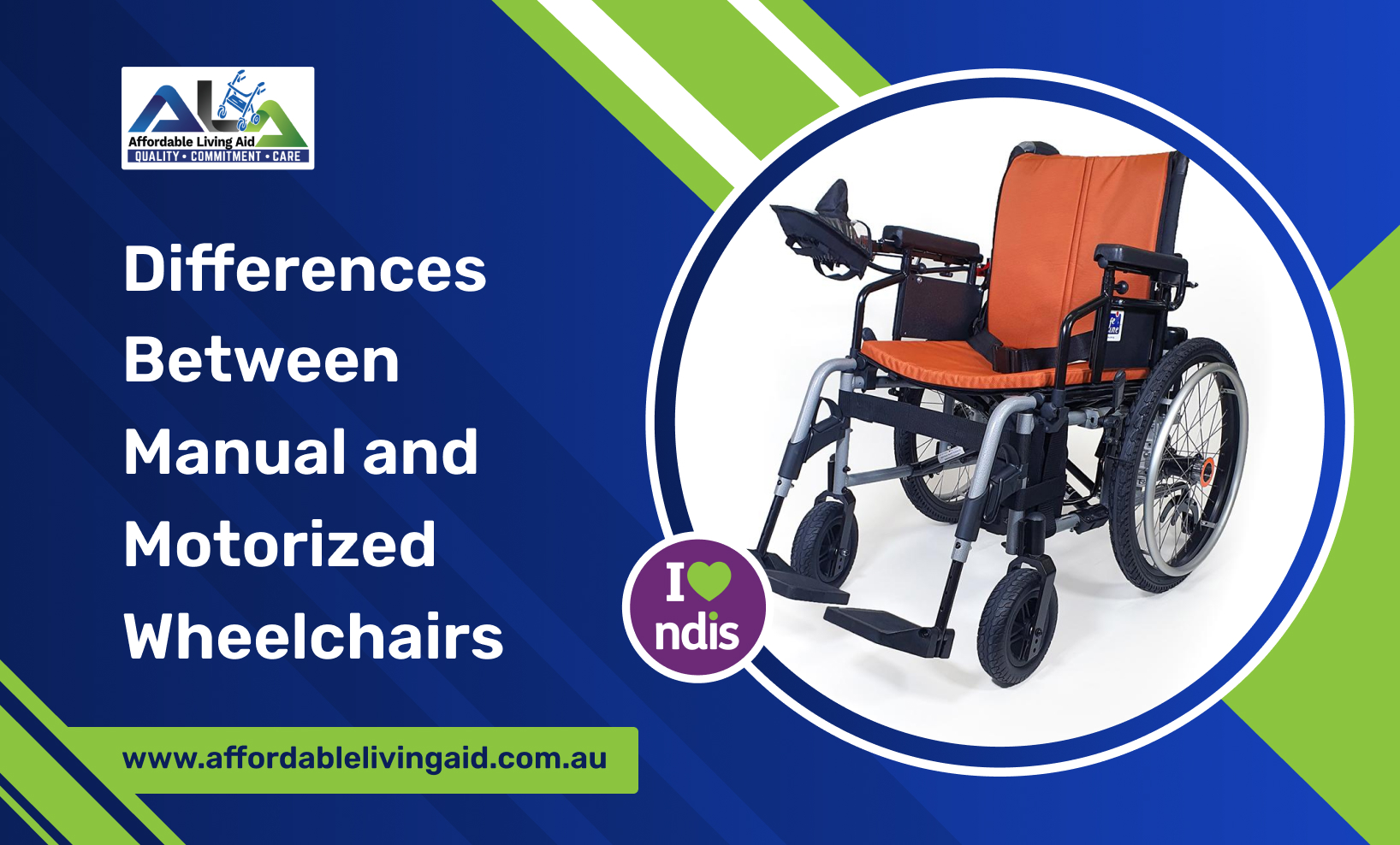
Mobility aids play an important role in improving independence and safety for seniors, people with disabilities, and rehabilitation patients. One of the most common questions people ask is about the differences between manual and motorized wheelchairs and which option is the best for their needs.
Both manual and motorized wheelchairs provide mobility support, but they work in different ways and serve different users. The right choice depends on a person’s strength, lifestyle, medical needs, and budget.
In Australia, many people—including NDIS participants and elderly individuals requiring home care solutions—use wheelchairs as part of their daily living aids. Understanding the features, costs, and benefits of each type helps families and caregivers make the right decision.
This guide explains the key differences between manual and motorized wheelchairs, their pricing, and why one may cost more than the other.
What Is a Manual Wheelchair?
A manual wheelchair is a mobility device that moves when the user pushes the wheels with their arms or when a caregiver pushes from behind.
These wheelchairs are simple, lightweight, and commonly used for daily mobility support at home or in healthcare settings.
Key Features of Manual Wheelchairs
- Operated using arm strength or caregiver assistance
- Lightweight and portable
- Foldable designs for easy transport
- Requires minimal maintenance
- Lower cost compared to powered models
Manual wheelchairs are often recommended for short-distance movement, rehabilitation patients, or users who still have upper body strength.
They are widely used across Australia as assistive technology under daily living aids and NDIS equipment because they are affordable and easy to manage.
You can explore options in manual wheelchairs for different needs and budgets.
What Is a Motorized Wheelchair?
A motorized wheelchair, also called a power wheelchair, uses an electric motor and battery to move the chair. The user controls it with a joystick or control panel.
These wheelchairs are designed for people who have limited strength or mobility and cannot push a manual chair independently.
Key Features of Motorized Wheelchairs
- Powered by electric motors
- Controlled with a joystick or control system
- Requires battery charging
- Offers advanced mobility support
- Includes comfortable seating and positioning systems
Motorized wheelchairs are commonly used as mobility aids for seniors, people with disabilities, and NDIS participants who need long-term mobility assistance.
They provide greater independence and reduce physical strain for the user.
You can explore advanced options in electric mobility solutions and electric wheelchairs.
Key Differences Between Manual and Motorized Wheelchairs
Understanding the differences between manual and motorized wheelchairs helps users choose the right assistive device.
1. Power Source
Manual Wheelchairs
- Operated by human effort
- No batteries or motors required
Motorized Wheelchairs
- Powered by rechargeable batteries
- Controlled electronically
2. Ease of Use
Manual wheelchairs require physical effort, which may not suit people with limited strength.
Motorized wheelchairs allow users to move easily with minimal effort. The joystick-based system makes navigation simple and independent.
For additional support in mobility-related conditions, users may also benefit from back support solutions.
3. Weight and Portability
Manual wheelchairs are lightweight and foldable, making them easy to store and transport.
Motorized wheelchairs are heavier due to batteries and motors. Transport often requires ramps or vehicle lifts, which can be found under mobility ramps and access solutions.
4. Maintenance Requirements
Manual wheelchairs need basic maintenance such as:
- Tire checks
- Frame inspection
- Brake adjustments
Motorized wheelchairs require more technical maintenance, including:
- Battery replacement
- Electrical system checks
- Motor servicing
5. Comfort and Technology
Motorized wheelchairs typically offer advanced features such as:
- Adjustable seating systems
- Tilt and recline functions
- Better suspension
- Advanced control systems
Manual wheelchairs are simpler but still effective for everyday mobility.
Which Wheelchair Is More Expensive?
When comparing manual and motorized wheelchairs, motorized models are significantly more expensive.
Average Cost in Australia
Manual Wheelchairs
- $300 – $1,500
- Basic design with manual operation
Motorized Wheelchairs
- $2,000 – $10,000+
- Advanced technology and powered movement
These costs may vary depending on brand, features, and customization options.
Eligible users may receive support through the NDIS funding program.
Why Motorized Wheelchairs Cost More
Motorized wheelchairs are more expensive because they include complex technology and additional components.
Major Cost Factors
1. Electric Motor System
The motor provides powered movement and requires specialized engineering.
2. Rechargeable Batteries
High-capacity batteries increase the cost and weight of the wheelchair.
3. Electronic Controls
Joystick systems and smart controls allow easier navigation.
4. Advanced Comfort Features
Many models include:
- Reclining seats
- Adjustable footrests
- Pressure-relief cushions
5. Customization Options
Motorized wheelchairs often require personalization based on the user’s medical condition.
These features make them a more advanced form of assistive technology for mobility support.
Who Should Choose a Manual Wheelchair?
Manual wheelchairs are a good option for people who:
- Have strong upper body strength
- Need short-term mobility support
- Travel frequently and require portability
- Have caregiver assistance available
For recovery support, users may also explore rehabilitation equipment.
Who Should Choose a Motorized Wheelchair?
Motorized wheelchairs are recommended for individuals who:
- Have limited arm strength
- Need long-term mobility support
- Experience fatigue while pushing a manual wheelchair
- Require independent movement indoors and outdoors
They are ideal for NDIS participants and individuals with severe mobility limitations.
Practical Tips for Choosing the Right Wheelchair
Before selecting between manual and motorized wheelchairs, consider the following:
Assess Physical Ability
Consult a healthcare professional or occupational therapist to determine the appropriate mobility aid.
Consider Daily Lifestyle
Think about:
- Home layout
- Outdoor accessibility
- Travel needs
Evaluate Budget and Funding
Check if NDIS funding or healthcare support in Australia can assist with purchasing assistive equipment.
Focus on Comfort and Safety
Ensure the wheelchair includes:
- Proper seating support
- Reliable braking systems
- Durable frames
For guidance, you can also visit our FAQs or explore expert assistance.
Conclusion
Understanding the differences between manual and motorized wheelchairs is essential when choosing the right mobility aid. Manual wheelchairs are lightweight, affordable, and simple to use, while motorized wheelchairs offer greater independence through advanced powered mobility.
Although motorized wheelchairs are more expensive due to motors, batteries, and advanced features, they provide significant benefits for people with limited strength or long-term mobility challenges.
If you are looking for mobility aids for seniors, assistive technology, or NDIS equipment in Australia, explore the wide range of solutions available at Affordable Living Aid. Their collection of mobility aids, homecare equipment, rehabilitation tools, and daily living aids is designed to improve independence, comfort, and safety at home.