


 Electric Mobility Scooters
Lift Chairs vs Standard Recliners: Who Benefits?

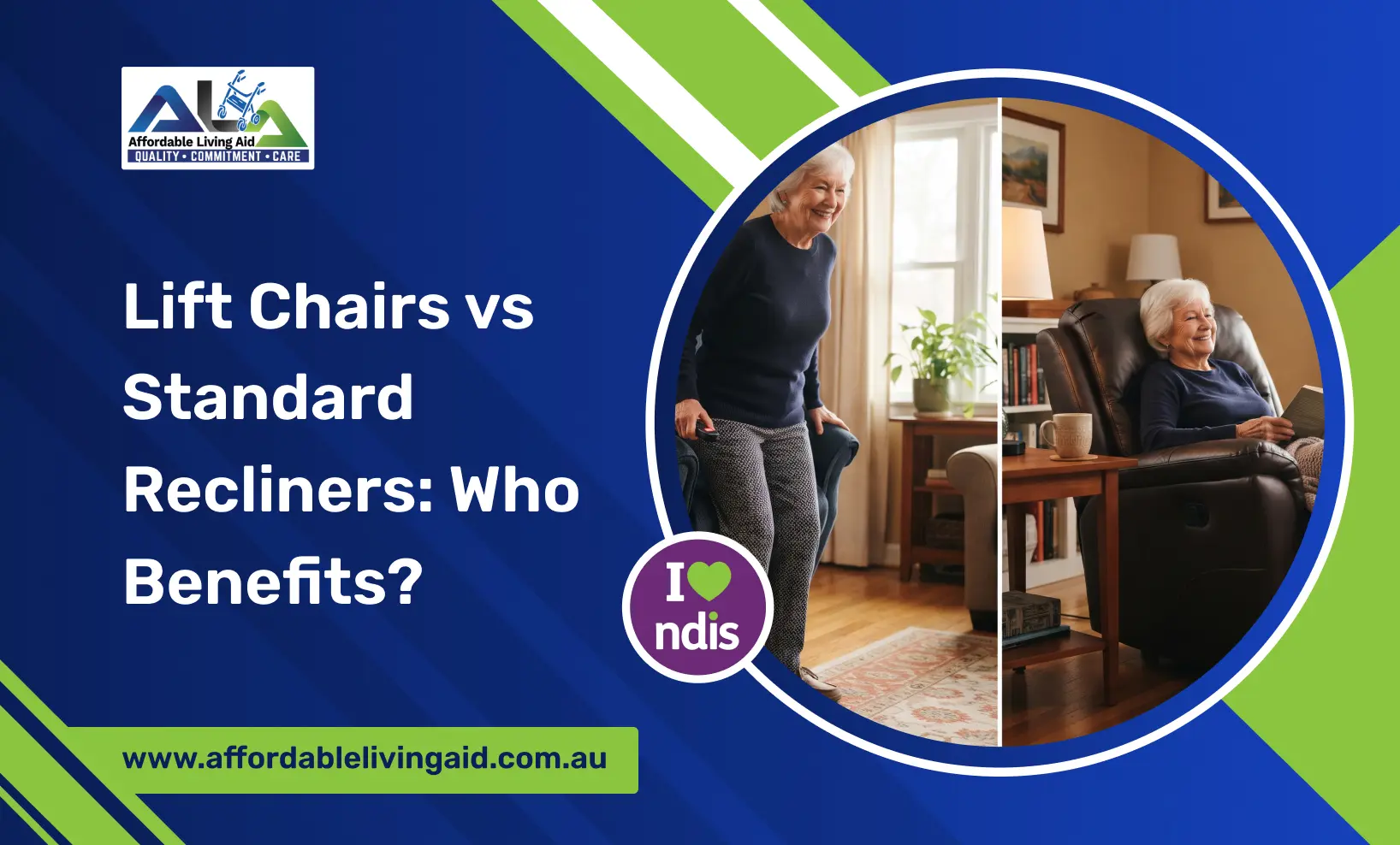
Choosing the right seating can transform daily comfort and independence for older Australians, individuals managing mobility limitations, and people recovering from surgery or injury. At first glance, a plush living room armchair and a medical-grade electric lift chair look remarkably similar. Both offer a place to relax, recline, and unwind at the end of the day.
However, their underlying mechanisms, ergonomic designs, and functional benefits differ significantly. While a standard recliner is built purely for casual relaxation, an electric lift chair is a specialised piece of assistive technology designed to support safe sitting, standing, and postural health.
Understanding the differences between lift chairs and standard recliners helps individuals, families, and carers make an informed choice that prioritises long-term safety, comfort, and independence at home.
What is a Standard Recliner?
A standard recliner is a conventional piece of living room furniture operated manually or via a basic electric motor. When you pull a side lever, push back against the backrest, or press a simple button, the footrest elevates and the back reclines.
Key Features of Standard Recliners
- Operation: Usually rely on a manual latch, a spring-loaded footrest, or a simple one-motor recline mechanism.
- Seating Angles: Designed primarily for lounging, watching television, or reading in a reclined position.
- Aesthetics: Styled to blend seamlessly with traditional home living room decor.
Who Benefits Most From a Standard Recliner?
Standard recliners suit individuals with full physical mobility and stable lower-body strength who require no assistance when transitioning from a seated to a standing position. They provide a comfortable, familiar seating option for general relaxation without specialised postural adjustments.
What is an Electric Lift Chair?
An electric lift chair—often referred to as a rise and recline chair—is a sophisticated mobility and aged care seating solution. Powered by a quiet, reliable electric motor system, these chairs gently tilt and elevate the entire seating platform forward. This motion safely assists the user from a seated position to a near-standing position, and vice versa, minimising strain on the knees, hips, and lower back.
Key Features of Electric Lift Chairs
- Power Lift Mechanism: Smoothly raises and tilts the chair base to help users stand up or sit down with minimal physical effort.
- Multi-Motor Configurations: Available in single-motor, dual-motor, or infinite-position options, allowing independent control of the footrest and backrest.
- Pressure Relief and Ergonomic Support: Engineered to distribute body weight evenly, reducing pressure points during extended periods of sitting.
Who Benefits Most From Electric Lift Chairs?
- Older Australians: Individuals experiencing age-related muscle weakness, joint stiffness, or balance challenges who want to maintain independence at home.
- NDIS Participants: Participants with physical disabilities, neurological conditions, or mobility impairments who require assistive seating solutions to support daily living.
- Post-Surgery or Injury Recovery: People recovering from hip replacements, knee surgeries, or spinal procedures who must avoid bending or straining vulnerable joints.
- Carers: Family members and professional caregivers who need to reduce the physical strain of assisting loved ones in and out of traditional armchairs.
Explore durable and supportive options within our dedicated electric mobility scooters and power wheelchairs and daily living collections to support your home environment.
Key Differences: Lift Chairs vs Standard Recliners
To better understand which option aligns with your specific needs, comparing their core functional and health attributes side by side is helpful.
| Feature | Standard Recliner | Electric Lift Chair |
| Standing Assistance | None. User must rely entirely on core and leg strength to stand. | Motorised lift function gently guides the user to a standing position. |
| Motor System | Usually manual or single-action recline. | Advanced single or multi-motor systems for independent recline and lift. |
| Postural Support | General cushioning; fixed ergonomic contours. | Customisable positioning, lumbar support, and pressure-relieving foam. |
| Fall Prevention | No specific safety features for transitions. | Engineered stability and controlled motion minimise the risk of falls during sits and stands. |
| Primary Purpose | Casual relaxation and lounging. | Therapeutic comfort, safe transfers, and daily postural support. |
Health and Safety Considerations
When evaluating seating options, safety and physical well-being are paramount. Transitioning out of a deep, low-set armchair can place immense pressure on the patellar tendons, hip joints, and lumbar spine. For individuals with arthritis, muscular dystrophy, or generalised fatigue, a sudden movement can lead to loss of balance or a fall.
Electric lift chairs mitigate these risks by providing a controlled, slow ascension. By shifting the body’s centre of gravity forward gradually, the chair does the heavy lifting, protecting joints from sudden impact. Furthermore, high-quality lift chairs offer superior pressure distribution, which is vital for individuals who spend extended hours seated and wish to prevent skin breakdown or pressure injuries.
Discover more about selecting supportive home equipment by browsing our comprehensive range of home care equipment and patient care products.
Is an Electric Lift Chair Covered by the NDIS?
Many Australians navigating funding options often ask whether assistive seating can be supported through the National Disability Insurance Scheme (NDIS) or My Aged Care.
- NDIS Funding: Electric lift chairs may be funded under NDIS assistive technology budgets if the equipment is deemed “reasonable and necessary” to meet a participant’s specific support needs, enhance functional independence, or reduce physical strain on carers. Eligibility depends on an individual’s approved plan and a formal assessment from an allied health professional, such as an occupational therapist.
- Aged Care Support: Older Australians exploring subsidised home modifications or equipment through My Aged Care can discuss daily living aids with their assessment team or occupational therapist.
Note: Product availability on our website does not automatically guarantee NDIS funding approval. Funding decisions are determined by the NDIA or relevant assessment bodies based on individual circumstances and plan goals.
Conclusion
While standard recliners serve well for casual living room lounging, they cannot match the safety, accessibility, and therapeutic benefits of an electric lift chair. For older Australians, individuals with mobility challenges, and NDIS participants, a rise and recline chair is more than just furniture—it is a practical investment in daily independence, joint protection, and fall prevention.
If you or a loved one are ready to explore comfortable, supportive seating solutions designed to enhance daily living, contact Affordable Living Aid today or explore our complete selection of daily living aids and personal care products to find the ideal match for your home.
Frequently Asked Questions
Can an electric lift chair recline completely flat?
Many multi-motor lift chairs offer “lay-flat” or “infinite position” capabilities, allowing the backrest and footrest to operate independently so you can recline into a sleeping position. Always check the specific product specifications to confirm its range of motion.
How much space is required behind a lift chair?
Most electric lift chairs require a small clearance from the wall (often around 10 to 30 centimetres depending on the model) to recline fully. However, “wall-saver” or “zero-wall” models are designed to slide forward as they recline, making them ideal for smaller living spaces.
Can standard recliners be modified for easier standing?
No. Standard recliners lack the reinforced internal lifting framework and motorized actuators required to elevate the seat base safely. Attempting to modify a standard armchair can compromise its structural integrity and increase the risk of a tip-over accident.