


How to Maintain a Mobility Scooter (Step-by-Step Guide)

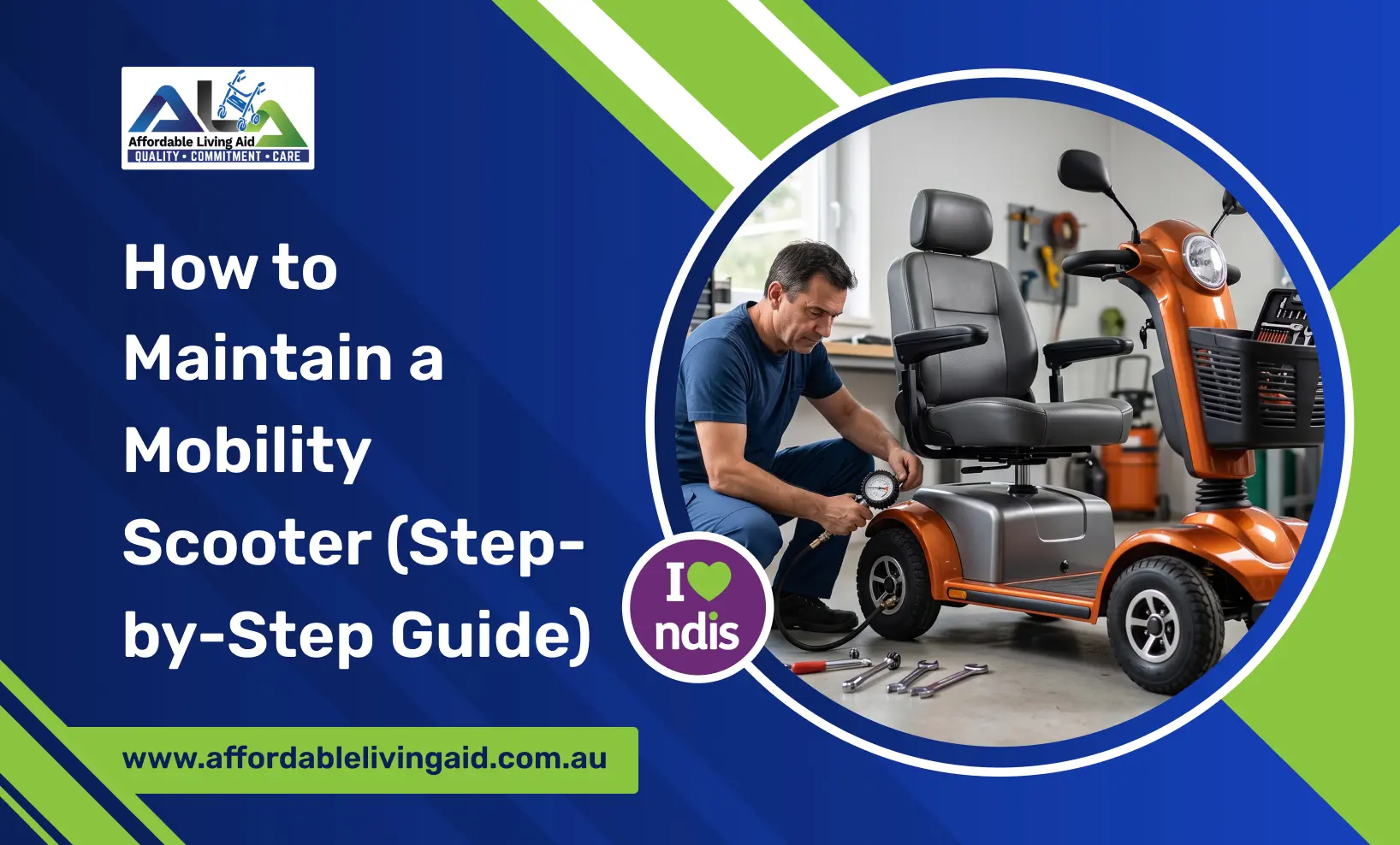
A mobility scooter is more than just a way to get around—it’s an important part of staying independent and enjoying everyday life. Like any vehicle, a mobility scooter is exposed to everyday wear and tear. Regular use, rough footpaths, dirt, dust, and wet weather can all take a toll on its performance if routine maintenance is overlooked. Small issues that seem harmless at first can quickly turn into expensive repairs if they’re left unchecked. A few simple maintenance habits and regular inspections can extend your battery’s lifespan, reduce the risk of unexpected breakdowns, and keep your mobility scooter running smoothly for years to come. If you’re looking for quality mobility products, Affordable Living Aid offers a wide range of solutions for Australians.
Why Is It Important to Maintain Your Mobility Scooter?
Regular maintenance isn’t just about keeping your mobility scooter clean—it’s about making sure it stays safe, reliable, and comfortable to use every day. Even minor issues can quickly develop into costly repairs if they’re ignored.
Keeping on top of routine maintenance helps your scooter perform at its best while reducing the risk of unexpected breakdowns. It can also extend the life of important components such as the battery, tyres, brakes, and motor, saving you money on costly repairs or replacements in the long run.
Understanding the Parts of a Mobility Scooter for Better Maintenance
Before carrying out any maintenance, it’s worth taking a few minutes to familiarise yourself with the main parts of your mobility scooter. Understanding how each component works makes it much easier to spot early signs of wear, carry out routine checks, and identify potential issues before they become more serious. The better you know your scooter, the easier it is to keep it in safe, reliable working order.
- Battery: Powers the scooter and determines how far you can travel on a single charge.
- Tyres: Provide grip, stability, and a comfortable ride across different surfaces.
- Brakes: Ensure you can stop safely and maintain control, particularly when travelling on slopes or uneven ground. They should always respond smoothly and effectively.
- Motor: Powers the scooter’s movement and works with the battery to deliver reliable, consistent performance.
- Controls and tiller: Allow you to steer, adjust your speed, and operate the scooter safely.
- Lights and horn: Improve your visibility and help you communicate with pedestrians and other path users, especially in low-light conditions.
- Seat and armrests: Provide comfort and support while riding.
Step-by-Step Guide to Maintaining Your Mobility Scooter
1. Clean Your Mobility Scooter Regularly
Keeping your scooter clean is one of the easiest ways to protect it from unnecessary wear. Dust, mud, leaves, and moisture can collect around moving parts and electrical components, potentially affecting performance over time.
Tips
- Use a damp cloth, mild detergent, and a Soft brush.
- After each outing, wipe down the scooter to remove dirt and debris.
- For stubborn marks, use a mild detergent mixed with warm water.
- Avoid pressure washers or soaking the scooter with a hose.
2. Take Good Care of the Battery
The battery is one of the most valuable components of your mobility scooter, so proper care is essential. Poor charging habits can shorten its lifespan and reduce the distance you can travel.
Tips
- Charge the battery after each use.
- Always use the charger recommended by the manufacturer.
- Avoid letting the battery completely discharge before recharging it.
- Avoid overcharging the Battery.
3. Inspect the Tyres and Brakes
Your tyres and brakes play a vital role in keeping every journey safe. Even minor wear can affect stability, handling, and stopping distance, so regular inspections should never be overlooked.
Tips
- Check your tyres for cuts, cracks, embedded stones, or uneven wear.
- If your scooter has pneumatic tyres, ensure they’re inflated to the pressure recommended by the manufacturer.
- Test the brakes before each ride by moving the scooter slowly in a safe area.
- If the brakes feel weak, make unusual noises, or don’t respond immediately, arrange for them to be inspected by a qualified technician before using the scooter again.
4. Store Your Scooter in the Right Place
Even when it’s not being used, the environment where your scooter is stored can affect its condition. Exposure to rain, humidity, dust, and extreme temperatures may damage both the battery and electrical system.
Tips
- Store your mobility scooter in a clean, dry, and well-ventilated area.
- If indoor storage isn’t available, use a waterproof, breathable cover.
- Avoid leaving the scooter exposed to direct sunlight for extended periods, particularly during Australia’s hot summer months.
If you’re receiving disability support through the NDIS, you may be eligible to access mobility equipment and assistive technology through your plan.
5. Check the Lights, Controls, and Fasteners
Your mobility scooter’s lights, controls, and fasteners all contribute to a safe and comfortable ride. While these components are often overlooked by most people, they play an important role in ensuring your scooter operates as intended. A loose bolt, faulty light, or unresponsive control can quickly become a safety risk, especially if you’re travelling in busy areas or low-light conditions.
Tips
- Test the headlights, rear lights, indicators, and horn to ensure they’re working properly.
- Check the speed controls and display panel for any warning lights or unusual behaviour.
- It’s also worth inspecting the scooter for loose screws, nuts, or bolts. Tightening these components regularly helps keep the scooter stable and comfortable to use.
6. Schedule Professional Servicing
While regular checks and basic maintenance at home can help keep your mobility scooter running smoothly, professional servicing is equally important for long-term performance and safety. Some internal components, including the motor, electrical wiring, battery system, and control mechanisms, require specialist tools and technical knowledge to inspect properly.
It is recommended to have your mobility scooter professionally serviced every six to twelve months, depending on how frequently you use it and the type of terrain you usually travel on. A professional technician can identify hidden issues, test battery performance, and ensure every part is operating safely.
Final Thoughts
Maintaining your mobility scooter doesn’t have to be complicated or take up a lot of your time. Simple habits, such as keeping it clean, looking after the battery, checking the tyres and brakes, and storing it in a safe, suitable place, can make a significant difference to its performance, reliability, and overall lifespan.
By making regular maintenance a part of your routine, you can enjoy smoother journeys, reduce the chance of unexpected breakdowns, and feel more confident every time you head out. While everyday care can help keep your scooter in excellent condition, professional servicing also plays an important role in identifying potential issues and ensuring your mobility scooter continues to provide safe, dependable support for many years to come.