

How to Use Your NDIS Plan to Purchase Assistive Technology?

Living with a disability can come with daily challenges, but the right support can make life significantly easier. Through the National Disability Insurance Scheme (NDIS), you may be able to access assistive technology that improves your independence, safety, and overall quality of life.
Assistive technology (AT) includes equipment and devices that help you perform everyday tasks—ranging from mobility aids and communication devices to home modifications and daily living aids.
If you’re wondering how to actually use your NDIS plan to access these supports, this guide breaks it down step by step in a simple and practical way.
What Is Assistive Technology in the NDIS?
Under the NDIS, assistive technology refers to any device or equipment that helps you:
- Move around more easily
- Communicate better
- Manage daily activities
- Stay safe at home or in the community
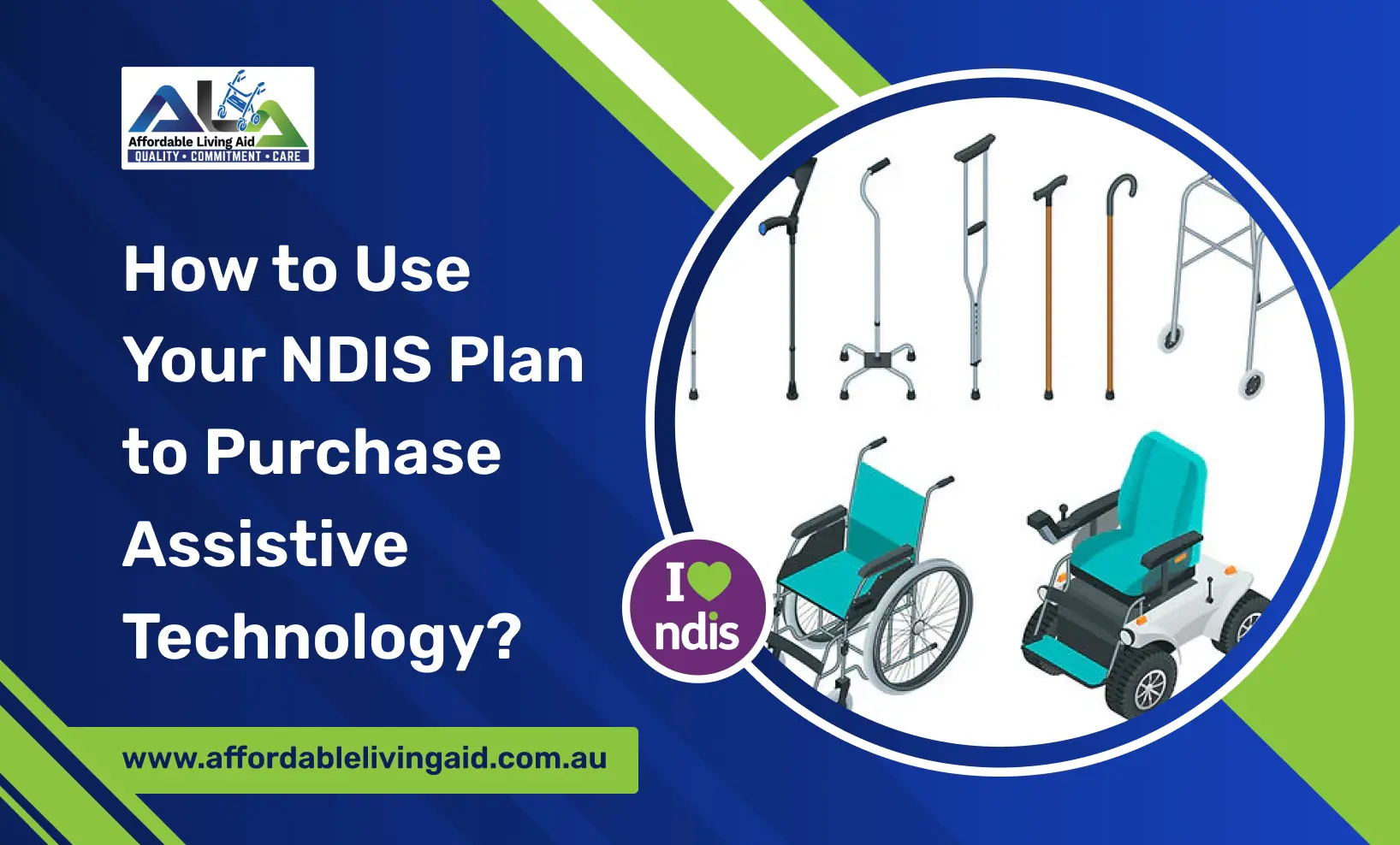
Examples include manual wheelchairs, walking aids, hearing devices, communication tools, and adaptive equipment for daily tasks.
Step 1: Connect Assistive Technology to Your NDIS Goals
Your NDIS funding is based on your personal goals. This means any assistive technology you request must clearly support what you want to achieve in life.
For example, your goals might include:
- Becoming more independent at home
- Improving communication
- Increasing mobility
- Living more safely and confidently
The stronger the link between your goals and the equipment, the easier it is to justify funding.
Step 2: Get a Professional Assessment
For most assistive technology—especially higher-cost items—you will need an assessment from a qualified health professional such as:
- Occupational Therapist (OT)
- Physiotherapist
- Speech Pathologist
They will:
- Assess your needs
- Recommend suitable equipment
- Explain why it is necessary for your daily life
This report is very important for NDIS approval.
Step 3: Check Your NDIS Budget
Assistive technology is usually funded under:
- Capital Supports (Assistive Technology budget) for most equipment
- Sometimes Core Supports for low-cost items
Depending on the cost, your plan may require:
- A quote
- Additional documentation
- Prior approval from the NDIS
You can also complete the NDIS order form to help streamline the process when purchasing approved assistive technology products.
Step 4: Get Quotes and Approval
Before purchasing expensive assistive technology, you usually need:
- One or more supplier quotes
- A therapist’s recommendation report
- NDIS approval (if required)
Your support coordinator or plan manager can help you gather and submit these documents.
Step 5: Purchase Your Assistive Technology
Once approved, you can proceed with the purchase:
- NDIA-managed plans: Provider invoices the NDIS directly
- Plan-managed: Your plan manager pays the provider
- Self-managed: You pay first and claim reimbursement
Always keep invoices and receipts for records.
If you need support choosing the right products for your needs, you can contact our team for assistance.
Step 6: Use and Review Your Equipment
After receiving your assistive technology, start using it in your daily routine. Over time, you may notice adjustments or upgrades are needed.
This may include switching to more advanced electric mobility scooters or other supports that better suit your lifestyle and mobility requirements.
You can review this during your next NDIS plan review to ensure your supports still meet your needs.
FAQs
- What types of assistive technology does the NDIS fund?
The NDIS funds a wide range of assistive technology, including mobility aids, communication devices, home safety equipment, and daily living supports.
- Do I need an OT report for all assistive technology?
Not always. Low-cost items may not require a report, but higher-cost or complex equipment usually does.
- Can I buy assistive technology without NDIS approval?
It depends on your plan type and the cost. Self-managed participants often have more flexibility, while NDIA-managed plans usually require approval first.
- How long does NDIS approval take for assistive technology?
It varies, but it can take anywhere from a few days to several weeks depending on the complexity and documentation required.
- Can I upgrade my assistive technology later?
Yes. If your needs change, you can request upgrades or different equipment during your NDIS plan review.