


How Do People With Disabilities Decide When to Use Mobility Aids?

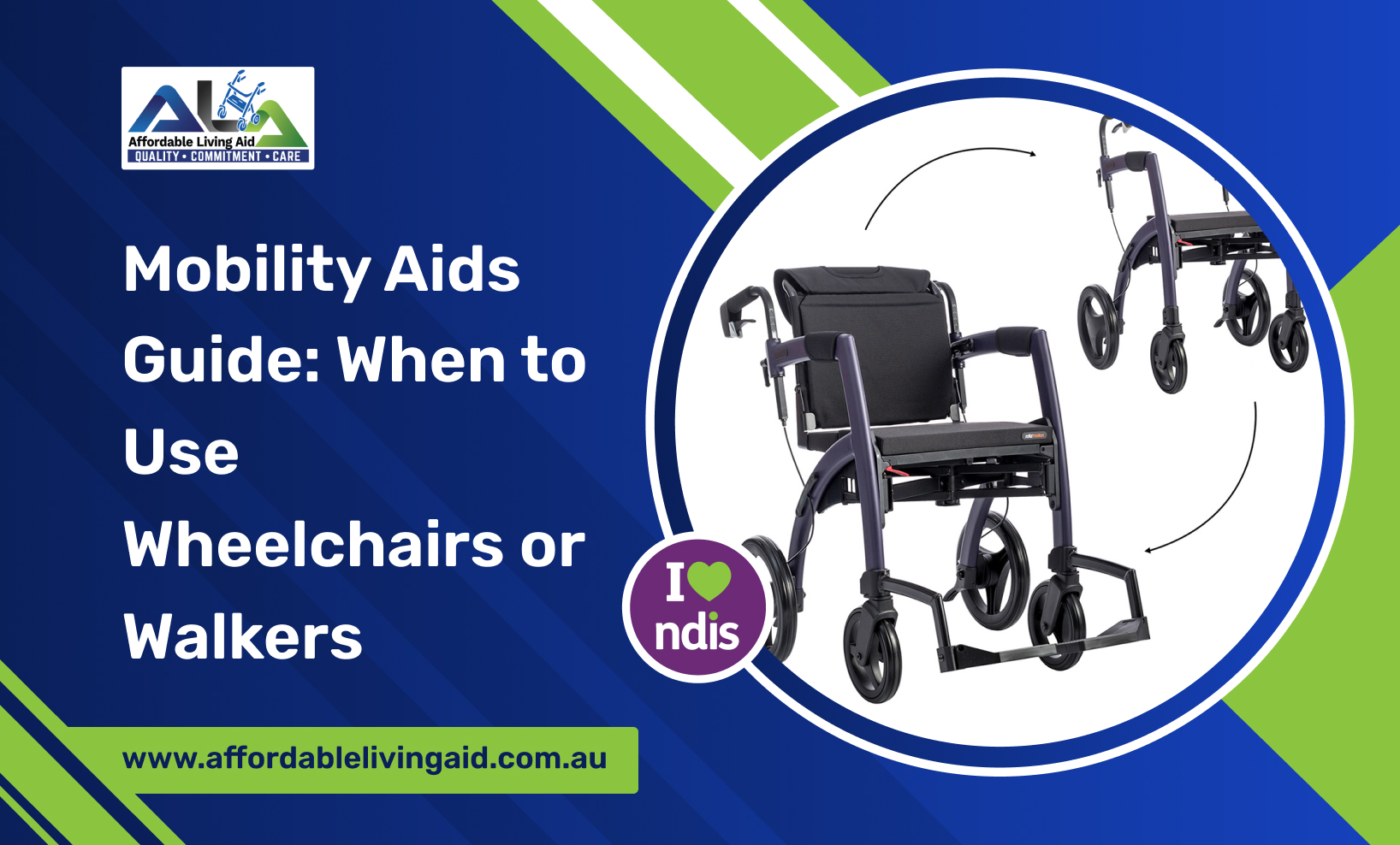
Many people with disabilities, seniors, or people recovering from injury eventually face an important question: When should I start using mobility aids like walkers or wheelchairs?
Mobility support tools are not only for people who cannot walk. In many cases, assistive technology can help people stay independent, prevent falls, and make daily life easier.
In Australia, mobility aids are commonly used by:
- Seniors with reduced strength or balance
- People with physical disabilities
- Rehabilitation patients recovering from surgery
- Individuals with chronic pain or neurological conditions
- NDIS participants who need long-term mobility support
Choosing the right aid at the right time can greatly improve safety, comfort, and independence at home.
What Are Mobility Aids?
Mobility aids are assistive devices designed to help people move safely and independently.
These products support balance, reduce strain on joints, and make daily movement easier.
Common examples include:
Many Australians rely on these tools as part of their daily living aids and homecare equipment.
Signs It May Be Time to Use a Mobility Aid
People often delay using mobility aids because they worry it means losing independence. In reality, the opposite is true.
Mobility support devices often increase freedom and safety.
Here are common signs that someone may benefit from a mobility aid.
1. Frequent Falls or Balance Problems
Falls are one of the biggest health risks for seniors and people with mobility challenges.
Warning signs include:
- Feeling unsteady while walking
- Holding onto furniture for support
- Falling or almost falling frequently
Using orthopedic support such as orthopedic aids can significantly improve stability and reduce fall risk.
2. Fatigue While Walking
Some people can walk short distances but feel extremely tired afterward.
This is common in people with:
- Arthritis
- Multiple sclerosis
- Chronic pain
- Respiratory conditions
In such cases, electric support options like electric mobility solutions can help conserve energy for important activities.
3. Pain in Joints or Muscles
Walking may become difficult due to pain in:
- Knees
- Hips
- Back
- Ankles
Mobility aids help reduce pressure on joints, allowing safer movement throughout the day.
4. Difficulty Completing Daily Activities
When mobility problems begin to affect daily life, assistive devices can help.
Common daily challenges include:
- Moving around the house
- Shopping for groceries
- Cooking or cleaning
- Going to medical appointments
Using daily living aids helps maintain independence and improves quality of life
5. Recovery After Surgery or Injury
Many people temporarily need mobility support during rehabilitation.
Examples include recovery from:
- Hip replacement surgery
- Knee surgery
- Stroke rehabilitation
- Severe injuries
Doctors often recommend rehabilitation equipment to support safe recovery.
Walker vs Wheelchair: How to Decide
Choosing between a walker and a wheelchair depends on mobility level, strength, and endurance.
Walkers and Rollators
Walkers are best for people who can still walk but need support and balance assistance.
You can explore suitable options in walker and rollator aids.
Benefits include:
- Improved stability
- Reduced fall risk
- Encourages physical activity
- Lightweight and easy to use
Walkers are commonly used by seniors and rehabilitation patients in Australia.
Wheelchairs
Wheelchairs are helpful when walking becomes too difficult, painful, or unsafe.
They are ideal for people who:
- Cannot walk long distances
- Have severe balance problems
- Experience extreme fatigue
- Have long-term disabilities
Wheelchairs help maintain independence and allow users to participate in social activities and daily routines.
The Role of NDIS in Mobility Aids
In Australia, many people receive mobility equipment through NDIS support.
The National Disability Insurance Scheme (NDIS) may fund:
- Wheelchairs
- Walkers and rollators
- Mobility scooters
- Homecare equipment
- Assistive technology for daily living
To access NDIS equipment, participants usually need:
- An assessment by an occupational therapist
- Evidence of mobility challenges
- A recommendation for assistive technology
This support helps Australians with disabilities access safe and reliable mobility solutions.
Benefits of Using Mobility Aids
Mobility aids provide more than just physical support.
They improve overall quality of life.
Key benefits include:
- Greater independence
- Improved safety
- Reduced risk of falls
- Less pain during movement
- Better participation in daily life
- Increased confidence
For caregivers, mobility equipment also makes it easier to provide safe support at home.
Safety Tips When Using Mobility Aids
Choosing the right mobility device is important, but proper use is equally important.
Safety recommendations:
- Always adjust equipment to the correct height
- Use non-slip footwear indoors and outdoors
- Keep walkways clear of obstacles
- Follow advice from healthcare professionals
- Maintain and inspect equipment regularly
For safe walking support, products like walking sticks can also help improve balance.
Choosing the Right Mobility Aid
Every person has different mobility needs. The right device depends on several factors.
Important considerations:
- Strength and balance level
- Home environment
- Lifestyle and daily activities
- Medical condition
- Doctor or physiotherapist recommendations
Professional guidance helps ensure the equipment supports independence instead of limiting movement.
Mobility Aids and Independent Living in Australia
Mobility aids play a vital role in homecare solutions for elderly Australians and people with disabilities.
With the right equipment, people can:
- Move safely at home
- Stay active in their community
- Reduce reliance on caregivers
- Maintain dignity and independence
Assistive technology is not about limitation. It is about empowerment and accessibility.
Conclusion
Deciding when to use mobility aids like wheelchairs or walkers is an important step toward maintaining independence and safety. These tools are not a sign of weakness. Instead, they provide the support people need to stay active and confident in daily life.
For seniors, people with disabilities, rehabilitation patients, and caregivers, the right mobility equipment can make everyday activities much easier.
If you are looking for reliable mobility aids, daily living aids, homecare equipment, or rehabilitation tools in Australia, explore the wide range of products available at Affordable Living Aid. Their expert team helps Australians find practical solutions that improve comfort, safety, and independence at home.