


Tips for Safer and Effective Home Rehabilitation

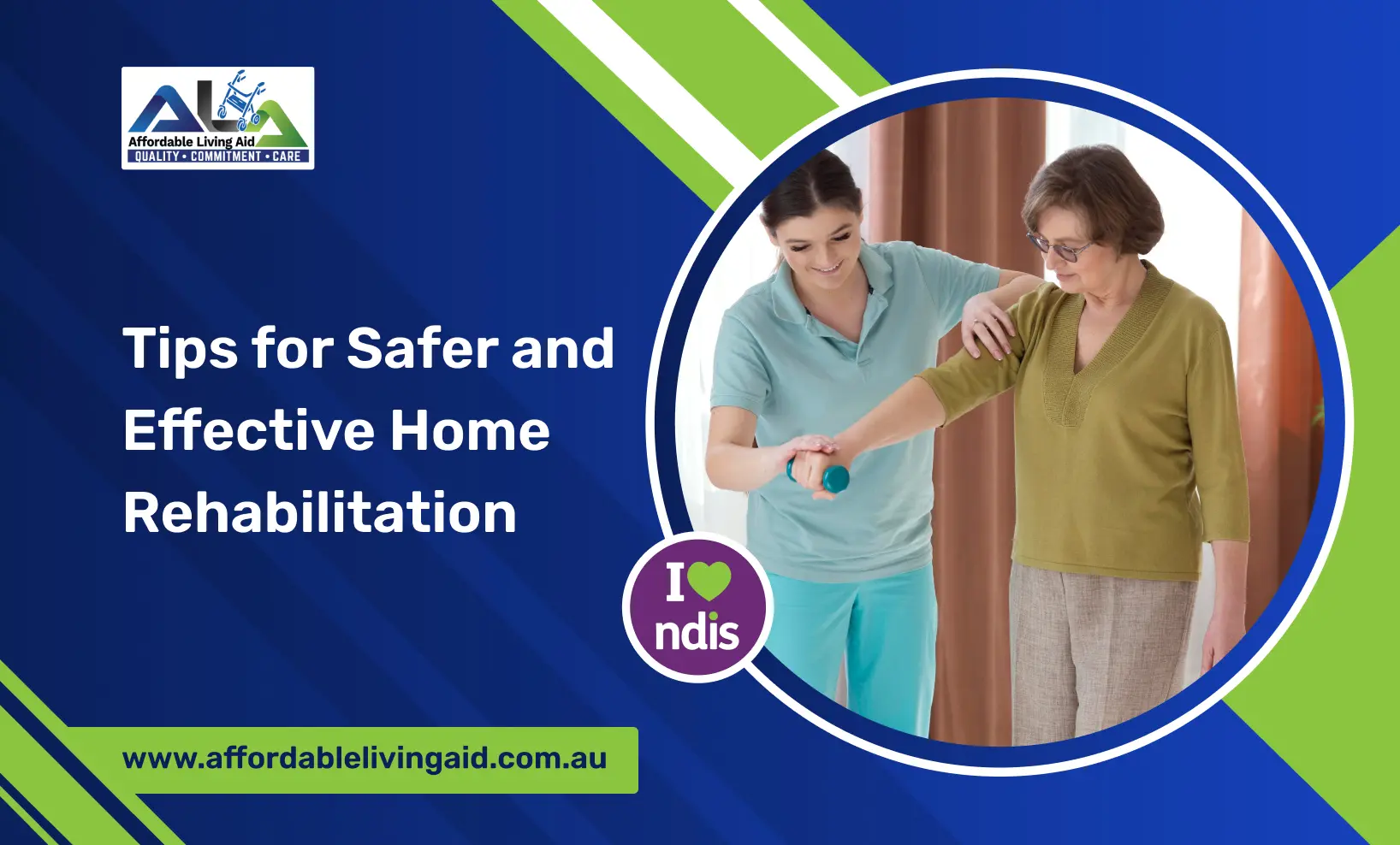
The scenario of home rehabilitation has gained a lot of popularity, especially in the case of patients suffering from chronic conditions or undergoing surgery as part of their recovery process. It mainly promises comfort, flexibility, and cost savings when done rightly. But at the same time, if mishandled without proper support and caution, it may take longer and even cause the opposite effect. Using the right rehabilitation aids and following planned practices can help make home rehabilitation effective and liberating.
Comprehend Your Rehabilitation Scheme
Understanding the plan prepared for you is a prerequisite for any home rehabilitation to be initiated. It is usually composed of particular exercises, frequency, intensity, and precautions. Most of the time, people rush through the instructions or depend on their memory, causing incorrect technique and improper performance.
It is advisable to take time in order to reread written instructions, demonstration videos, or any notes given by your therapist. If anything does not seem clear to you, do not hesitate to ask for clarification at the beginning of the process. The goal of rehabilitation is not to endure pain but rather to experience controlled, intentional movement that aids healing.
- Establish a Safe and Encouraging Environment
Your home surroundings can determine the success of recovery to a great extent. Having a place in disarray or with bad lighting can lead to falls or injuries due to wrong exercising. Find an area where rehabilitation can take place regularly that is neat, bright, and has no obstructions.
It may be that safety measures are simple but they can have great impact:
- Non-slip mats or rugs should be used
- Chairs and surfaces for balance exercise should be sturdy and stable
- Items that are used often should be placed near
In the case of limited movement, the patient may consider installing bath safety rails or using supportive homecare aids that have been recommended by a health professional.
- Right Technique Practicing, Not Fast Practices
One of the biggest blunders that happen in home rehabilitation is giving priority to speed instead of technique.
Take your time and be careful. Keep your body well, and be mindful of your breathing and posture. A mirror or a short video may be a useful tool for self-correction. Always, the repetitions with proper quality are much more beneficial than the ones performed in a hurried way.
For individuals recovering from injury or surgery, appropriate exercise and therapy equipment can help improve technique and support safe rehabilitation at home.
- Listen to Your Body
Pain and discomfort are not the same. Difficulties with the muscles or feeling of stretching are usual but acute or increasing pain is the opposite. If you pay no attention to these signs, a minor problem may turn into a major one.
In case of unexpected swelling, continuous pain, dizziness, or tingling sensations, take a break and reach out to a doctor. Healing is not easy; the routine change is a part of the rehabilitation process that requires smart planning. Supportive products such as knee supports and back support braces may also assist with comfort during recovery when recommended by a healthcare professional.
- Stay Consistent With Your Routine
Consistency is the key to home rehabilitation being effective. The impact of the exercises is diminished and the recovery period is extended by irregularity in performing them or skipping them. Make a routine that suits your daily schedule realistically.
Some tips for maintaining consistency are:
- Setting reminders or alarms
- Linking rehab sessions to daily habits, like after waking up
- Tracking progress in a notebook or app
Witnessing small gains over time can be a strong incentive to keep the commitment.
For those experiencing mobility challenges, using appropriate mobility aids such as walkers and rollators can help maintain independence while staying active throughout the rehabilitation process.
- Use Technology and Support Wisely
Technology can be a game changer in home rehabilitation when it is properly applied. Tele-rehabilitation sessions, exercise apps, and instructional videos provide guidance and accountability. However, they need to be used together with, not instead of, professional advice.
Bringing in family or caregivers can also be beneficial. They can remind you, provide a safe environment, and give support, especially during the hard times of recovery.
- Maintain a Healthy Lifestyle
Rehabilitation never takes place alone. Good nutrition, drinking enough water, and sleep can be the factors that determine healing and energy. Proper diet that contains lots of proteins, vitamins, and minerals helps to heal the tissues, and good sleep gives the body the chance to recover in between the therapy sessions.
Managing stress is also a very important thing. Techniques like deep breathing, meditation, or light stretching can increase the physical and mental power of the patient during the rehabilitation period.
When to Recognize the Time for Professional Assistance
In many cases, home rehabilitation is very effective, however, it is not a universal solution. If there is no improvement or if the symptoms of the patient get worse, the presence of the professional for reassessment is mandatory. Regularly scheduled check-ups with a therapist are the best way to make sure that the exercises will be suitable for you as per the changing conditions.
Home rehabilitation makes the most sense when it is safe, well-organized, and has the support of an expert. With the right attitude and readiness, it can become a powerful weapon to conquer strength, mobility, and confidence again.