


What Mobility Aids Are Covered Under NDIS in Australia

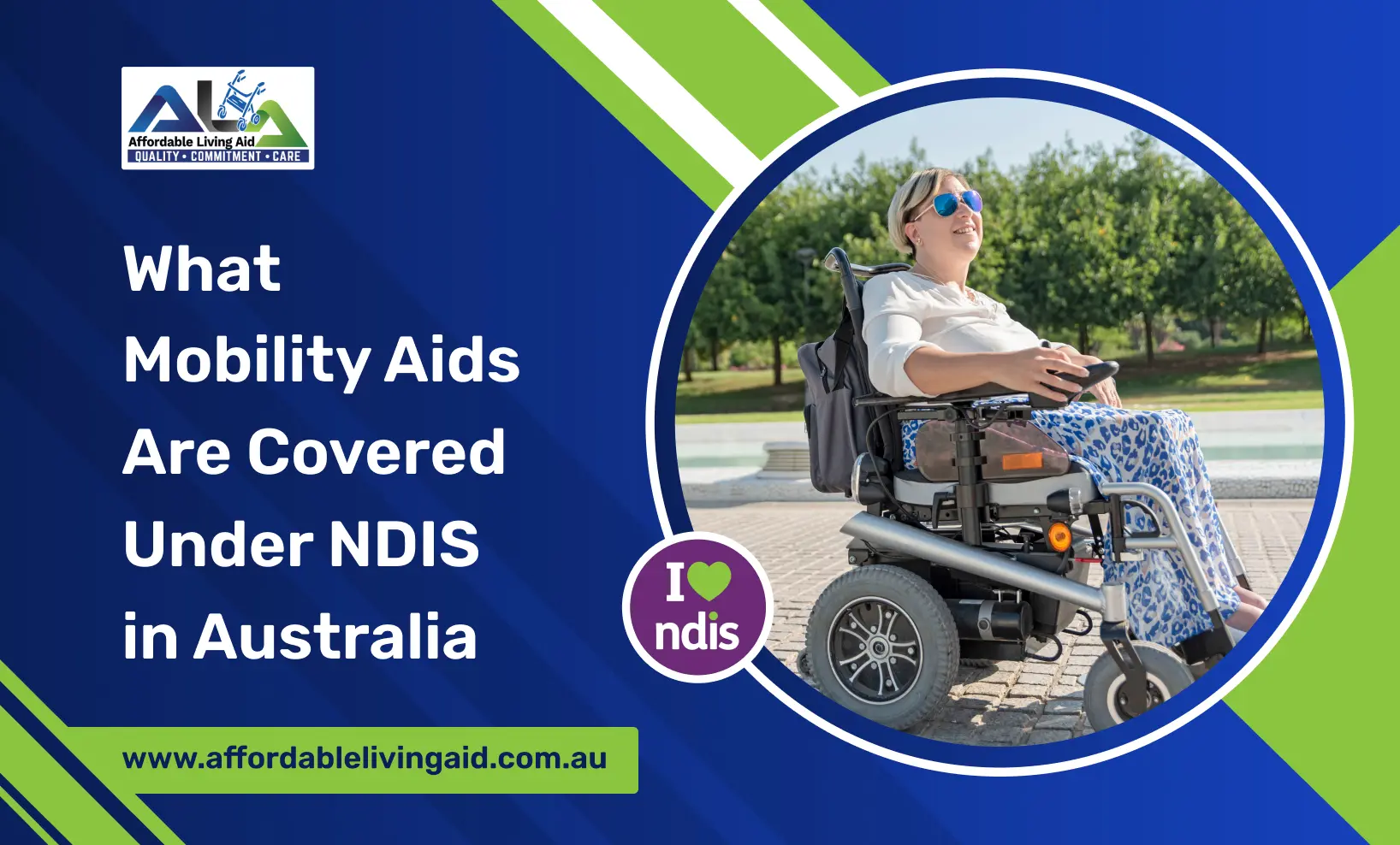
For a significant number of Australians that have disabilities, mobility aids are a must-have for their independence, safety, and everyday life participation. The National Disability Insurance Scheme (NDIS) not only acknowledges this but also supports it financially by providing money for a wide range of mobility aides; however, covering and understanding the ways that this funding is available can be difficult.
This article aims to clarify the types of mobility aids that are covered under the NDIS, the way funding works and what the participants need to know so that they can access the right support.
Understanding Mobility Aids Under the NDIS
The NDIS categorizes mobility aids as Assistive Technology (AT). These devices empower the users to move around safely, minimize the involvement of caregivers, and better participate in life at home and in the community. If a mobility aid is to be funded, it must be reasonable and necessary.
The definition of that is that it should be directly linked to the disability of the participant, assist him/her in reaching his/her goals, offer good value for money, and not be something that is normally covered by other systems such as health or aged-care.
Common Mobility Aids Covered by the NDIS
The NDIS provides coverage for an extensive range of mobility aids; however, this depends on the individual’s needs and the assessment of those needs.
Walking aids like canes, crutches, walkers, and rollators are usually funded for participants that need balance support or help with walking. These aids lower the chance of falling and increase people’s confidence during movement.
On the other hand, manual wheelchairs are still covered often for those participants that have more serious mobility restrictions. These can be basic self-propelled chairs or transit wheelchairs designed for correct assistance. For people that cannot self-propel or that want greater independence, powered wheelchairs might be funded after a thorough assessment.
Mobility scooters can also be funded under the NDIS, particularly for community access. These are often suitable for participants who can walk short distances but need assistance for longer outings such as shopping or appointments.
Transfer and Positioning Mobility Supports
Mobility refers to the whole process of moving from one location to another, which also entails making safe transfer movements. The funding provided by the NDIS can be used for various equipment such as transfer boards, hoists, slide sheets, and standing aids that help users transfer from any of the following: beds, chairs, toilets, or vehicles.
When it comes to the mobility of people with the limitations, these supports are vital, and even the whole injury risk for both users and carers can be largely minimized.
Customised and Complex Mobility Equipment
The NDIS is there to provide funding for the Specialized or Custom-made mobility equipment with complex needs. For example, one can have an electric wheelchair with a custom-made seat, a pneumatic pressure relieving system, posture support, and tilt & recline functions.
Such sophisticated and expensive items usually take longer to get approval because the need for a thorough assessment and supportive documentation from a specialist health professional (like Occupational therapist or Physiotherapist) is the norm.
How Funding Levels Affect What’s Covered
Different Assistive Technology categories, low-cost, mid-cost, and high cost, are used to allocate NDIS mobility aids funding. Quotations or formal assessments might not be required for low-cost items, whereas the provision of professional recommendations and approval is the norm for higher-cost or customized equipment.
The type of your NDIS plan, self-managed, plan-managed, or agency-managed, also determines the equipment purchasing procedure and the suppliers that you can deal with.
What’s Not Usually Covered
Interestingly, among the different kinds of mobility aids the NDIS covers, some are still not funded under the category of daily household goods or items with lesser needs under other needs-based systems. Standard footwear, non-specialized furniture, or items that are altogether unrelated to disability needs are excluded most of the times.
Knowing these limits helps to prevent the frustration of waiting for the approval that is no longer coming.
Getting the Right Support
The collaboration between a NDIS-registered provider and an allied health professional can greatly enhance the patient’s situation. They are the ones who make the choice of the mobility aid that best fits the user’s requirements, is appraised by NDIS, and aligns with the user’s future objectives.
Testing, fitting, and training are sometimes necessary steps in the procedure and can be funded if they are justified.
Final Thoughts
A variety of mobility aids for disability people have been opened by the NDIS that are meant to provide independence, security, and integration. Though, a person’s eligibility and need assess their coverage; nevertheless, the plan presents various flexible options molding at different people’s mobility stages.
Therefore, the right guidance, and thorough planning, NDIS-funded mobility aids can in a way make the participants move across life radiating more self- assurance, less discomfort, and more authority.