


Best Walking Aids for Seniors: Sticks, Walkers, and Rollators Explained

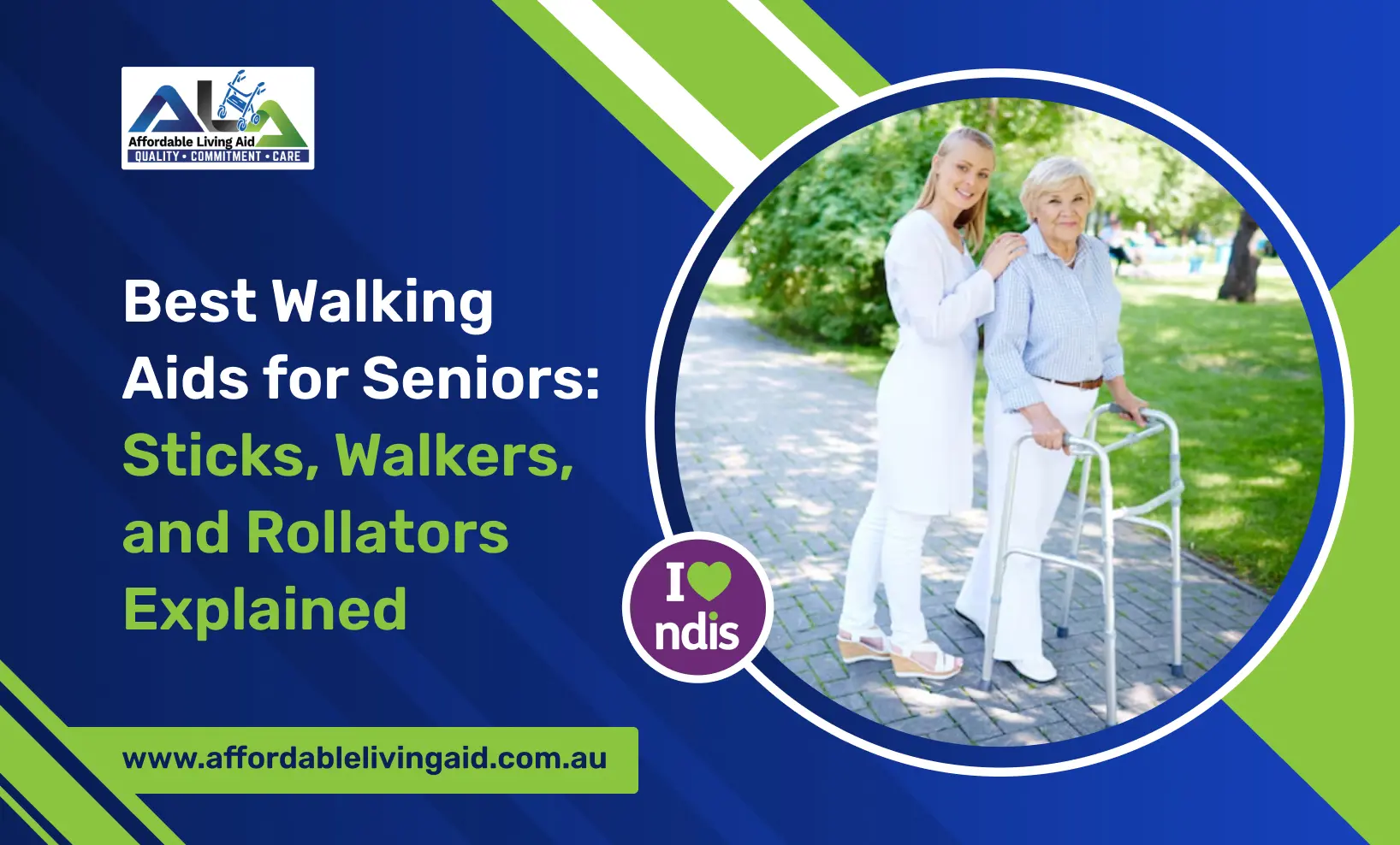
As we grow older, it becomes quite difficult to keep up with the vigorous nature of life. One of the main downsides for older people is walking, whether it is against loss of balance, pain in the joints or weak muscles. Luckily, walking aids are there to help and facilitate movement and at the same time they make it safe. In Tamworth, where the population of senior citizens keeps on increasing, the right walking aid can be really helpful in terms of improving quality of life, allowing them to be independent, confident, and active.
Here are the different kinds of walking supports that are available, the benefits they present, and how to select one that fits you or your friend the best. Be it a basic walking stick or an elaborate rollator, our guide will assist you in grasping the available options and making an intelligent choice.
Importance of Walking Aids
Walking aids not only assist the elderly people in moving but also help them to live a better and more fulfilling life. They are among the main reasons for kept the person upright, regardless of the risk of falling, and for a better overall mobility. In fact, the right walking aid can be the pivotal factor in securing the independence and the quality of life of the elderly.
The Most Important Advantages of Walking Aids for Seniors Are:
- Balance Support: A great number of elderly people’s lives are affected by poor balance as a natural consequence of aging. Thus, walking aids come to the rescue by giving the elderly extra support, thus nullifying the risk of falls.
- Increased Independence: The right walking aid will enable the elderly to continue with daily chores, from taking a walk to shopping or simply moving about the house.
- Confidence Boost: Those seniors who know they have support that they can rely on while walking, it gives them a sense of security regarding moving, both at home and outdoors.
- Pain Relief: Walking aids are able to decrease the pressure on the joints, and this is especially true for people suffering from such ailments as arthritis or joint pain; moreover, it lets elderly persons to walk longer distances without the feeling of pain.
When you pick the most suitable walking aid for your needs, you are the one who decides to take charge of your mobility and wellness, which can greatly influence your health and happiness.
Types of Walking Aids for Seniors
Among the numerous types of best walking aids for seniors, you can choose the one that best fits your support level. Whether you require mild support or more robust stability, there’s an option that can help.
1. Walking Sticks (Walking Sticks for Mild Support)
Walking sticks or canes are the most basic and lightest type of mobility aid. These are normally used for mild support only, e.g. providing extra balance while walking. A walking stick can relieve the pressure on the leg or hip, thus making it easier for seniors to move around.
When to use a walking stick:
- If you are suffering from mild balance issues or joint discomfort.
- For short distances, like walking around one’s home or getting from the car to the store.
- If you have one leg or hip that requires extra support.
Benefits of Walking Sticks:
- Light And Easy To Transport: Easy to carry as well as easy to store.
- Cheap: A light support option that does not cost much for those who are in Need.
- Adjustable: Walking sticks can be made in different materials and designs and can thus be adjusted according to the personal preferences of style.
The residents in Tamworth, a lot of seniors, prefer walking sticks for their simplicity and user-friendliness. If you or someone you care for thinks that you need light support, a walking stick could be the ideal solution for you.
2. Walkers (Walkers for Enhanced Stability)
Walkers are the best option for elderly people who need extra support with balancing as they are more stable and supportive than walking sticks. A typical walker has four legs and a frame that supports the user while walking. This allows the user to receive support from the front and side and helps them to keep their balance even on longer walks.
The following conditions are appropriate for the use of a walker:
More profound balance problems, recovery from surgery, injury, or anything similar to that.
- A firm base is required for longer walks.
- Need extra help when walking on rocky surfaces or getting up from the chair.
Advantages of Walkers:
- More stability: Offers side support, thus diminishing the risk of falls.
- Height adjustable: Most walkers can be tailored to your height, so adjusting for comfort and preserving proper posture is no problem.
- Versatile: Depending on the design, they can be used both indoors and outdoors.
In Tamworth, the elderly may find that walkers are a great help in providing constant and reliable support throughout the day, either at home or outside.
3. Rollators (Rollators for Seniors Seeking Mobility & Comfort)
Rollators are also referred to as wheeled walkers and are considered more advanced than standard walkers. The major distinction between walkers and rollators is that the latter is equipped with wheels, allowing them to be pushed and turned easier. They usually have a brake, a reclining seat, and a shopping basket which aside from being convenient, makes it an awesome choice for the elderly who want both mobility and comfort.
The following conditions are appropriate for the use of a rollator:
- If you require assistance and at the same time, you want the option to sit down and rest during your walks or outings.
- For the elderly who get tired or short of breath during their walks and need a place to rest in that case.
- If you need a walker that can not only move around easily but has the ability to do so especially, outdoors.
Benefits of Rollators:
- Improved mobility: Rollators with wheels rolled out are a lot easier to be pushed and thus give greater independence.
- Comfort: At any time the built-in seat allows you to sit and rest, so the whole outing becomes easier and more pleasant.
- Convenience: A lot of the rollators include storage baskets, which is nice in case you want to carry some groceries, personal stuff, or even meds.
If you happen to live in Tamworth, or if a family member needs comfortable and trustworthy mobility aids, then our assortment of walking sticks in Tamworth, walkers, and rollators for elderly offer independence and safety is just right for you. No matter whether you are looking for a basic cane or an all-featured rollator, we’ve got the ideal option to suit your requirements and way of living.
Support Through NDIS
The National Disability Insurance Scheme (NDIS) can be a great help for the Tamworth people who have long-term mobility problems. The NDIS can fund basic mobility aids like walkers, rollators, and walking frames or even other more sophisticated devices if you are under 65 and have a permanent condition that makes you unable to move by yourself.
A personalised NDIS plan allows participants to receive funding for assistive technology that increases safety, independence and better quality of life at home and in the community. If you have doubts about your qualification, local NDIS providers and occupational therapists in Tamworth will assist you in the assessment of your needs and the process of application.
How to Pick the Right Walking Aid?
It depends on a few factors when choosing walking aid which include the level of mobility, the main use, and the comfort requirements. Here are some factors to help you in the selection of a walking aid:
Mobility Level:
If you are experiencing slight balance problems a walking stick might do. In case of moderate balance difficulties or if you are looking for more stability, a walker is the way to go. If you are one who frequently needs to rest or just wants to move around more, then the rollator is the most suitable option.
Usage Type:
Think about how often and where your walking aid will be used. Will it be mostly indoors, or you need one for outdoor use too? Rollators can take you further and are great for outdoor walking while walkers are best suited for indoor use.
Weight Capacity:
Confirm that the walking aid you select is capable of carrying your weight. The majority of mobility aids are available in a variety of dimensions and weight capacities.
Comfort:
Seek out for padded grips, adjustable handles, and lightweight materials to ensure comfort during the entire day.
Maintenance & Safety Tips
Walking aid keeps you moving and safe, but regular maintenance is a must for more fun and less hazard:
- Regular Checks: Examine the walking aid for any signs of wear or damage, like loose parts or frayed straps.
- Height Adjustment: Check that the walking aid is your right height for comfort and support.
- Safe Storage: Keep your walking aid at a safe, accessible place so that no one trips.
Performing these simple maintenance practices, your walking aid will stay in good condition and will be able to provide the necessary support.
Conclusion
Walking aids are invaluable tools for maintaining independence, confidence, and mobility. Seniors can remain safe and comfortable, even if their movement is limited to their house, garden, or Tamworth area, just by choosing the proper walking aid.
Find the perfect walking aid to suit your needs and lifestyle today, whether it’s a walking stick, a walker, or a rollator, these mobility aids can help seniors regain their independence and live life on their terms.