


 Electric Mobility Scooters
Getting a Child’s Wheelchair Through NDIS Early Childhood Supports

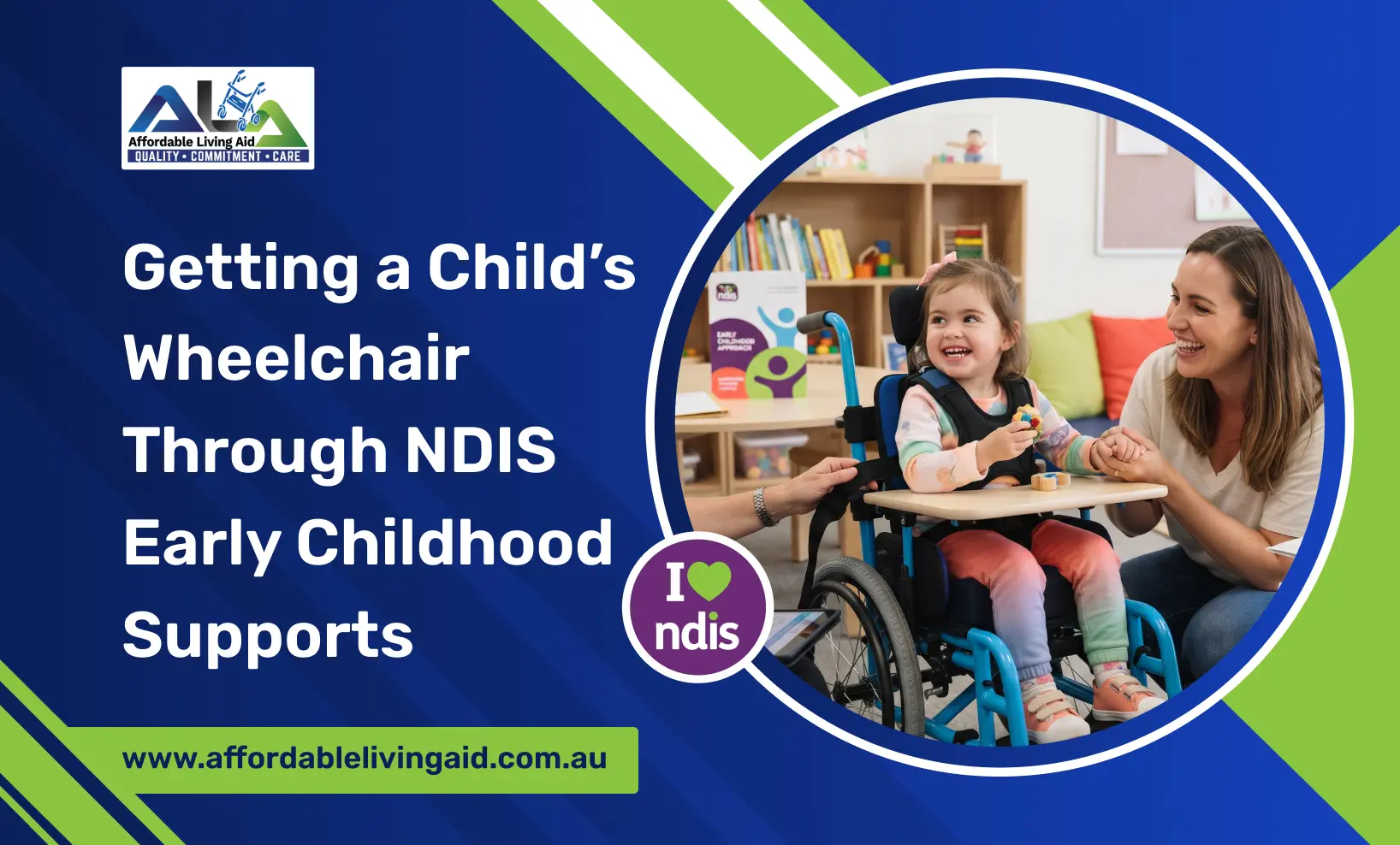
Navigating the early years of a child’s life with a developmental delay or disability brings unique joys and complex challenges. For families needing mobility equipment, understanding how to secure the right support can feel overwhelming. If your child requires a mobility solution to explore their environment, build independence, and participate fully in daily activities, the National Disability Insurance Scheme (NDIS) provides pathways for assistance.
For children younger than nine, support is typically accessed through the NDIS early childhood approach. This guide explains how families can navigate early childhood supports, work with allied health professionals, and understand the process for obtaining funding for pediatric mobility aids.
Understanding the NDIS Early Childhood Approach
The NDIS early childhood approach is designed specifically for children younger than nine years old who have a developmental delay, or younger than six years old with a disability. Rather than rushing into formal planning immediately, this approach focuses on early intervention.
Families are connected with an early childhood partner—an experienced organisation funded by the NDIS that employs allied health professionals such as early childhood educators, speech pathologists, and occupational therapists. These partners help families understand available supports, connect with local community services, and determine whether children require short-term early intervention or access to the broader NDIS scheme.
When a child requires assistive technology, such as a manual or powered pediatric wheelchair, early childhood partners help assess functional needs and guide families through the necessary evidence gathering.
Step-by-Step Guide to Requesting Assistive Technology
Securing a wheelchair through the NDIS involves careful preparation, thorough clinical justification, and collaboration with qualified healthcare professionals. While equipment such as manual wheelchairs, walkers, and rollators can significantly improve a child’s mobility, funding approval relies heavily on establishing clear necessity.
1. Consult a Paediatric Occupational Therapist or Physiotherapist
The most critical step in obtaining a wheelchair is getting a comprehensive functional assessment. An independent paediatric physiotherapist or occupational therapist specialising in seating and positioning will evaluate your child’s posture, muscle tone, developmental stage, and physical environment.
2. Gather Clinical Evidence and Assistive Technology Assessments
For standard, off-the-shelf equipment, the application process is straightforward. However, custom or complex seating systems require detailed assistive technology (AT) assessments. The clinician will document:
- How the wheelchair supports the child’s daily functional goals (e.g., interacting with peers, attending childcare or school, and engaging in play).
- Why alternative, lower-cost equipment is unsuitable.
- Future growth considerations and adjustability requirements to ensure the equipment remains suitable over time.
3. Submit the Request Through Your NDIS Plan
Once the assessment and formal quote are ready, the documentation is submitted through your NDIS participant portal or discussed with your early childhood partner or support coordinator. If your child already has an active NDIS plan with appropriate consumable or core/capital funding allocations, the process may involve requesting a plan review or utilizing existing flexible budgets depending on the equipment’s value tier.
Choosing the Right Mobility Aid for Growing Children
Children’s needs change rapidly as they grow, meaning equipment selection must balance immediate comfort with long-term adaptability. When exploring options, families often look at several categories of equipment available through manual wheelchairs and mobility aids to find solutions that match their daily routine.
- Paediatric Manual Wheelchairs: Designed for everyday mobility, these are lightweight, easy to transport in family vehicles, and often feature adjustable seating components to accommodate growth.
- Tilt-in-Space Wheelchairs: Ideal for children who require postural support and pressure redistribution throughout the day, allowing caregivers to change the child’s orientation without altering hip and knee angles.
- Active User Wheelchairs: Built for older children and teenagers who have upper body strength and desire greater independence for self-propulsion and sports participation.
To support children at home and during therapy, families also frequently explore rehabilitation, exercise, and therapy equipment alongside everyday daily living aids and personal care products to create an accessible living environment.
Key Considerations for NDIS Equipment Funding
When applying for funding through the NDIS, equipment must meet the criteria of reasonable and necessary. This means the item must:
- Help the child achieve their goals.
- Represent value for money.
- Be effective and beneficial for the participant.
- Consider mainstream supports (such as what education or health systems might normally provide).
It is important to remember that having an NDIS plan does not mean every product is automatically funded. Funding depends entirely on the approved plan categories and individual functional requirements identified in your child’s assessments. Families should always work closely with their allied health team to ensure all clinical reasoning aligns with NDIS guidelines.
Frequently Asked Questions
What age groups are covered by the NDIS early childhood approach?
The early childhood approach supports children younger than nine years old with developmental delays, or younger than six years old with a disability.
Do I need a formal diagnosis to access NDIS early childhood supports?
For children under six with a developmental delay, a formal diagnosis is not always required to access initial early childhood support and assessment. However, specific medical diagnoses may be necessary for certain specialized equipment tiers.
Can we trial a wheelchair before purchasing through the NDIS?
Yes. Reputable suppliers and clinical teams often arrange equipment trials. Trialing a wheelchair ensures that it meets the child’s postural needs, fits correctly in the family vehicle, and is easy for parents or carers to maneuver.
What should I do if my child’s needs change after getting a wheelchair?
Children grow quickly, and their functional needs evolve. If an existing wheelchair no longer fits or provides adequate support, your occupational therapist can perform a review and submit a request for assistive technology adjustments or replacement through your NDIS plan.
Conclusion and Next Steps
Securing the right wheelchair for your child is an empowering step toward greater independence, social inclusion, and active participation in daily life. By partnering with experienced allied health professionals and understanding how to navigate the NDIS early childhood approach, families can successfully secure the equipment their children need to thrive.
If you have an allied health quote or need guidance on exploring suitable mobility solutions for your child, please contact Affordable Living Aid or explore our range of mobility aids and daily living equipment to support your family’s journey.