


 Electric Mobility Scooters
Mobility Aids for People Living with MS

Living with multiple sclerosis (MS) brings a unique set of daily experiences, where energy levels, balance, and physical strength can fluctuate from day to day. Because MS affects the central nervous system, symptoms such as fatigue, muscle stiffness, numbness, and coordination challenges can impact how you move around your home and community.
Using the right mobility aids and support equipment can make a significant difference in maintaining independence, conserving precious energy, and reducing the risk of falls. Whether you are navigating early changes in your walking stability or looking for more robust support for longer distances, understanding the available options helps you make informed choices that fit your lifestyle.
Understanding How MS Affects Mobility
Multiple sclerosis is unpredictable. For many people, mobility changes happen gradually, while for others, symptoms can flare up and subside. Common physical factors that influence mobility in people with MS include:
- Fatigue: General exhaustion or specific limb fatigue that worsens as the day progresses.
- Balance and Coordination: Dizziness, ataxia, or difficulty placing feet securely when walking.
- Muscle Spasticity: Stiffness or involuntary muscle spasms that restrict fluid movement.
- Sensory Changes: Reduced sensation in the feet, making it harder to feel the ground surface.
Recognising these changing needs early allows you to introduce equipment proactively rather than reactively, helping you stay safe while participating in the activities you enjoy.
Essential Mobility Aids for Different Stages of MS
Mobility support is not a one-size-fits-all solution. As your needs evolve, different types of equipment can provide the right balance of support and independence.
1. Walking Aids and Rollators
For individuals experiencing mild balance issues, foot drop, or fatigue during longer walks, walking aids provide stability without sacrificing freedom.
- Walking Sticks and Crutches: Ideal for targeted support on one side or to assist with minor balance adjustments.
- Tri-Walkers and Four-Wheel Rollators: Four-wheel rollators equipped with a seat offer stable support and provide a convenient place to rest when MS-related fatigue sets in. Many models feature built-in baskets or bags to carry daily essentials, reducing physical strain. Explore options within the walking aids and rollators collection.
2. Manual and Power Wheelchairs
When walking long distances becomes too energy-intensive, or during a symptom flare-up, seated mobility equipment ensures you can still get out and engage with your community.
- Manual Wheelchairs: Lightweight and foldable options are suited for transport in vehicles and occasional use when fatigue peaks.
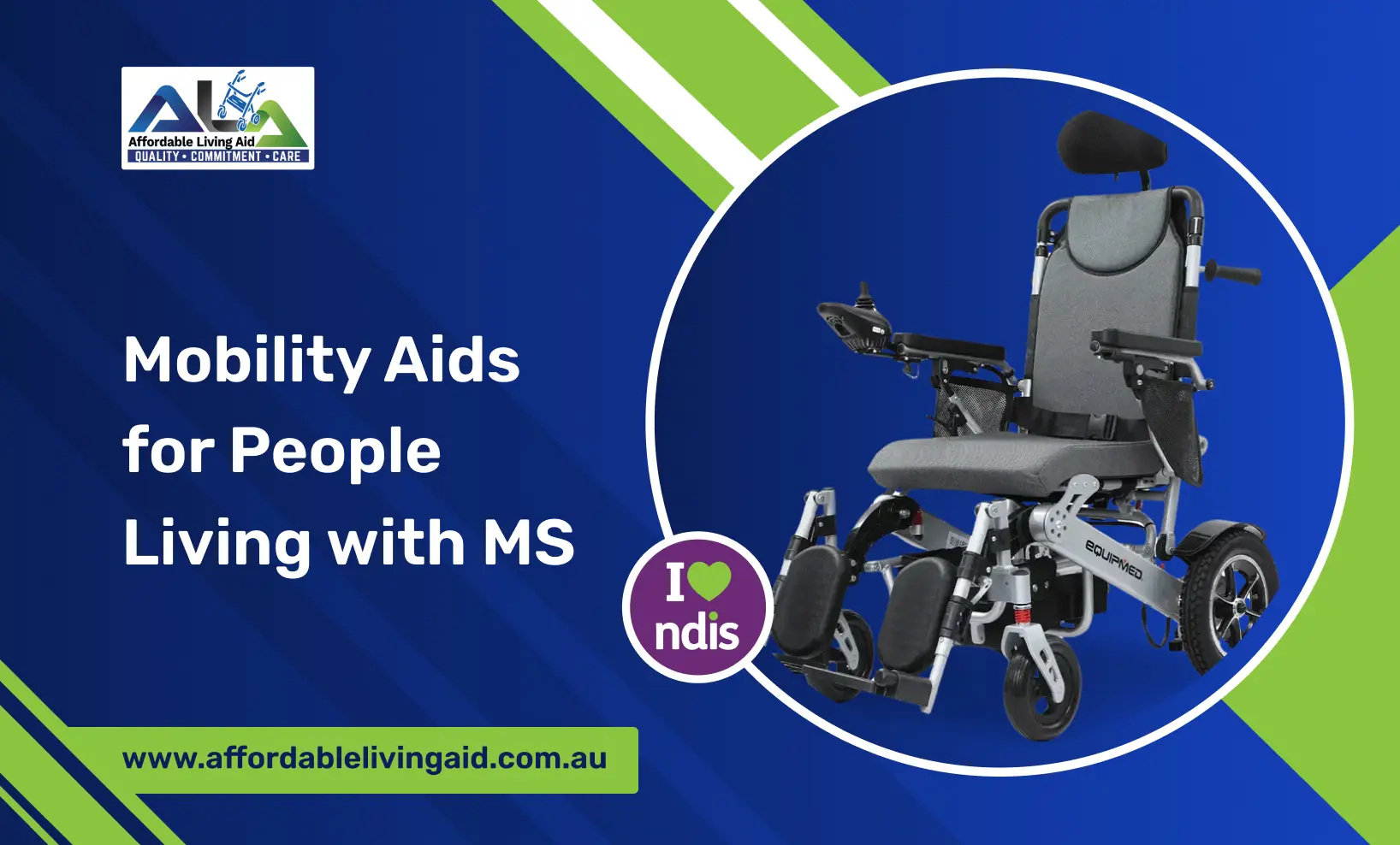
- Electric Mobility Scooters and Power Wheelchairs: For active community access or prolonged daily use, power wheelchairs and scooters minimize physical exertion entirely. Modern power mobility options offer adjustable seating, intuitive joystick controls, and robust battery ranges. Browse the range of electric mobility scooters and power wheelchairs to find models designed for comfort and ease of use.
3. Daily Living and Personal Care Equipment
Mobility extends beyond getting from A to B. Managing daily tasks around the home with minimal fatigue preserves energy for what matters most.
- Bathroom Safety Aids: Grab rails, shower stools, and over-toilet frames reduce slip risks and make bathroom routines safer on high-fatigue days. View selections in the bathroom safety equipment category.
- Daily Living Aids: Kitchen tools, dressing aids, and reachers reduce bending and stretching. Discover practical tools in the daily living aids collection.
Key Factors to Consider When Choosing Equipment
Selecting the right mobility aid requires careful thought about both your current symptoms and how your condition may progress over time.
- Assess Your Energy Levels: Consider when you feel most fatigued during the day and choose equipment that offsets those specific energy drops.
- Environment and Layout: Measure doorways, hallways, and vehicle boot spaces before purchasing larger items like rollators, scooters, or wheelchairs.
- Portability versus Stability: Heavier, sturdier equipment offers maximum stability, while lightweight, foldable designs are easier to transport if you travel frequently.
- Professional Guidance: Always consult an occupational therapist or physiotherapist. A professional functional assessment ensures the equipment matches your exact physical requirements and postural needs.
Accessing Equipment Through the NDIS and Support Schemes
For eligible Australians living with MS, acquiring appropriate assistive technology can often be supported through funding arrangements such as the National Disability Insurance Scheme (NDIS).
Under the NDIS, mobility aids and daily living equipment generally fall under Assistive Technology (AT). To access funding:
- Functional Assessment: Work with an allied health professional, such as an occupational therapist, who can complete an assessment outlining how the equipment meets your disability-related needs.
- Plan Review or Goal Alignment: Ensure your NDIS plan includes appropriate funding categories for capital or consumable supports.
- Quote Generation: Obtain detailed product quotes from registered providers to submit for plan management or agency approval.
Note: Product eligibility depends on individual NDIS plans, reasonable and necessary criteria, and formal assessments. Not all items are automatically funded for every participant.
Conclusion and Next Steps
Living well with multiple sclerosis involves adapting your environment and tools to match your body’s changing needs. By choosing the right mobility aids—whether a supportive rollator, a comfortable wheelchair, or practical daily living aids—you can conserve energy, protect your safety, and maintain your independence.
If you are exploring mobility equipment or need guidance on selecting the right daily living aids to support your routine, Affordable Living Aid offers a wide range of solutions designed to enhance comfort and accessibility across Australia. Reach out to our team or browse our product collections to find reliable equipment tailored to your lifestyle.
Frequently Asked Questions
How do I know when it is time to start using a mobility aid for MS?
If you find yourself holding onto walls for balance, experiencing frequent trips or falls, or avoiding social outings due to exhaustion, it is time to speak with a healthcare professional or physiotherapist about introducing a mobility aid. Early support helps maintain confidence and safety.
Can my NDIS plan cover mobility scooters or power wheelchairs?
Yes, many NDIS participants include funding for power mobility equipment in their plans, provided an occupational therapist assesses the item as necessary and reasonable to meet their mobility goals and daily living needs.
What is the difference between a tri-walker and a four-wheel rollator?
Tri-walkers feature three wheels, offering high maneuverability in tight indoor spaces. Four-wheel rollators are slightly wider and include a built-in seat and storage basket, making them ideal for longer outdoor walks where rest stops may be needed.