


Shower Chairs vs Bath Benches: Which One Is Right for You?

Bathroom safety isn’t optional—it’s essential.
The bathroom is one of the most accident-prone areas in any home. Wet floors, slippery surfaces, and limited support can quickly turn a routine shower into a serious fall risk, especially for seniors, individuals recovering from surgery, or anyone with reduced mobility.
This is where shower chairs and bath benches come in. They are not luxury items—they are practical safety solutions that help reduce the risk of falls and improve independence. But do you need both? And more importantly, which one is right for you?
Let’s break it down in a clear, practical way.
In most cases, you do not need both. The right choice depends on your specific mobility level and bathroom setup. If your main issue is fatigue or difficulty standing for long periods, a shower chair may be enough. If your biggest challenge is getting in and out of the tub safely, a bath bench is often the better option.
The key is simple: focus on solving your actual problem—not just choosing what seems common or affordable.
For seniors, post-surgery patients, and anyone with moderate to severe mobility issues or a high risk of falling, the right support equipment from homecare mobility aids can make a major difference in safety and confidence at home.
What is a shower chair?
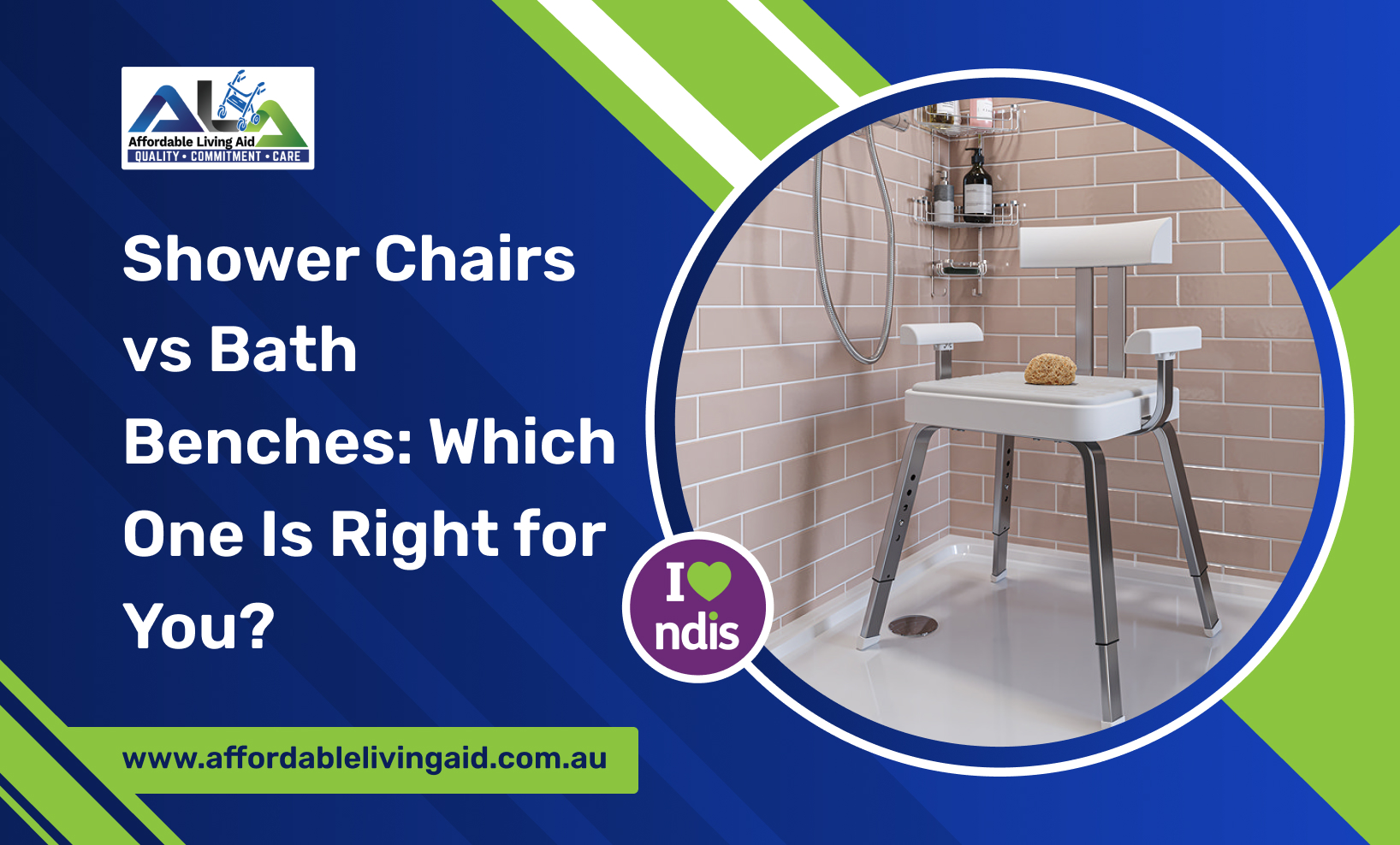
A shower chair is a seat placed entirely inside the shower or bathtub, allowing you to sit while bathing.
When Should You Use It?
- Standing for long periods feels tiring
- If you have mild balance issues
- For added comfort during daily showers
Benefits of a Shower Chair
- Reduces fatigue and strain
- Lowers the risk of slipping while standing
- Lightweight, compact, and easy to use
- Ideal for independent users
Limitations
You still need to step into the tub or shower
- Not suitable for individuals with severe mobility issues
What Is a Bath Bench?
A bath bench (also called a transfer bench) extends over the edge of a bathtub, with one side outside and the other inside.
When Should You Use It?
- If stepping into the tub is difficult or unsafe
- After surgery (hip, knee, etc.)
- For moderate to severe mobility limitations
- When fall risk is high
Benefits of a Bath Bench
- Eliminates the need to step over the tub wall
- Provides maximum stability during entry and exit
- Safer for individuals with limited strength or balance
- Makes caregiving easier and more controlled
- Limitations
- Requires more space
- Slightly bulkier than a shower chair
- May take a little practice to use comfortably
Key Difference That Matters Most
The most important distinction is simple:
Shower Chair: Supports you during bathing
Bath Bench: Supports you before, during, and after bathing
Since many bathroom accidents occur while entering or exiting the tub, bath benches often provide a higher level of safety for those at greater risk.
Which One Is More Beneficial?
The answer depends entirely on your mobility level:
Mild Mobility Issues
A shower chair is usually sufficient. It adds comfort and basic stability without complicating your routine.
Moderate Mobility Issues
A bath bench is the safer choice, especially if balance is inconsistent.
Severe Mobility Limitations
A bath bench is strongly recommended, as it minimizes movement and reduces fall risk significantly.
Shower Chair vs Bath Bench: Key Differences
| Feature | Shower Chair | Bath Bench |
| Placement | Inside shower/tub | Extends inside & outside tub |
| Entry Support | No | Yes |
| Best For | Mild mobility issues | Moderate to severe mobility issues |
| Safety Level | Basic | High |
| Portability | High | Moderate |
| Ease of Use | Very easy | Slight learning required |
| Fall Prevention | Partial | Strong |
Extra Safety Tips for Better Protection
- Even the best equipment works best when combined with proper safety measures:
- Install non-slip mats inside and outside the tub
- Add bath safety rails and grab bars for extra support
- Use a handheld showerhead for convenience
- Keep the floor dry at all times
- Ensure proper lighting in the bathroom
- Common Mistakes to Avoid
Many people choose a shower chair simply because it is smaller or cheaper. However, if your real issue is getting into the tub, this choice can actually increase your risk.
Choosing the wrong equipment can defeat the purpose of safety.
Final Verdict
- Choose a shower chair if you need comfort and light support
- Choose a bath bench if you need maximum safety and easier access
When in doubt, it is often safer to go with a bath bench—especially if your mobility is declining or unpredictable.
Conclusion
Shower chairs and bath benches are both valuable tools—but only when matched correctly to your needs. Taking the time to assess your mobility level and daily challenges can help you make a smarter, safer choice.
A small adjustment in your bathroom setup can prevent serious injuries and give you greater independence and confidence. If you’re eligible, you can also explore support options through the NDIS order form for assistive equipment.
FAQs
1. Is a bath bench safer than a shower chair?
Yes, in most cases a bath bench is safer—especially for individuals who have difficulty stepping into a tub. It reduces the risk during entry and exit, which is when most falls happen.
2. Can I use a shower chair in a bathtub?
Yes, a shower chair can be used inside a bathtub. However, you still need to step over the tub wall, which may not be safe for everyone.
3. Who should use a bath bench?
Bath benches are ideal for seniors, post-surgery patients, and anyone with moderate to severe mobility issues or a high risk of falling.
4. Do I need professional installation for these products?
Most shower chairs and bath benches are easy to assemble and do not require professional installation. However, adding grab bars may require proper installation for safety.
5. Can I use both a shower chair and a bath bench together?
In most cases, using both is unnecessary. A bath bench already provides seating and transfer support, making it a more complete solution for those with higher safety needs.