


How to Maintain & Care for Your Mobility Equipment Long-Term

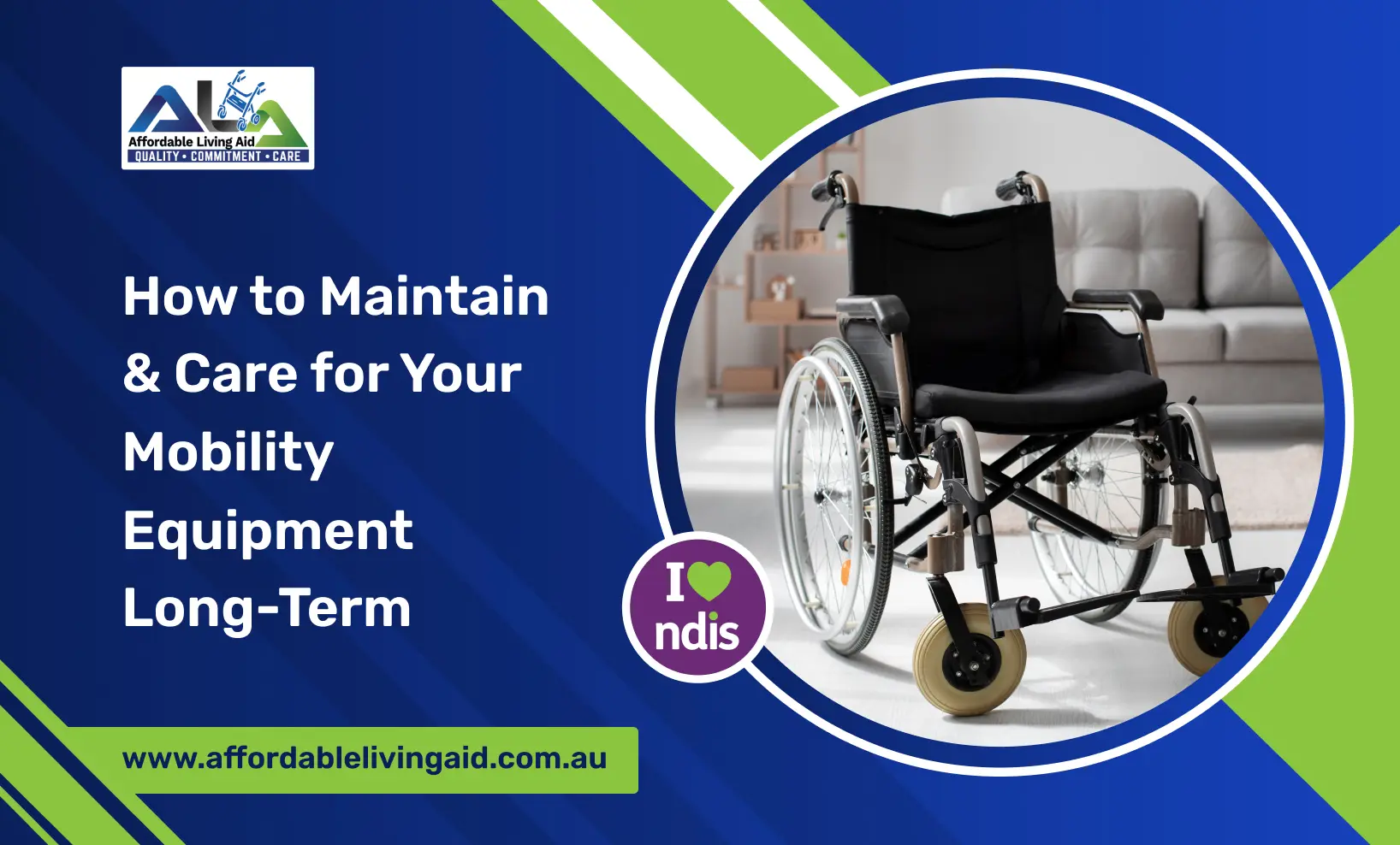
Mobility equipment is more than merely a tool; it is a lifeline. These devices play an important role in the preservation of independence, safety, and quality of life. Regardless of whether you use a wheelchair, walker, cane, crutches, or scooter, mobility aids supply the same benefits. Equipment that is used regularly needs to be maintained regularly along with the intervention of skilled techs to continue to work well. Maintenance not only prolongs their life span but also keeps them safe, comfortable, and trustworthy for a longer time.
Using equipment without proper care can lead to deterioration that may affect the stability of the device, cause discomfort, or even lead to accidents. The positive side to this is that the majority of mobility equipment care is very simple, routine, and doesn’t need specialized skills. With a dose of regularity, you can take care of your investment and your health.
Start with Regular Inspections
Routinely inspecting your equipment is the first step in giving it long-term care. You should visually check your mobility equipment at least once a week and it should become your habit. Check for anything like screws that are loose, rubber tips that are worn, frames that are cracked, straps that are fraying, and any sounds like squeaking or grinding.
For wheelchairs and scooters, check the wheels, brakes, and joints that move. Gloves and feet for walkers and canes should also be inspected. The sooner you discover smaller problems the less likely it is that you will have to deal with bigger, more expensive, problems in the future.
Keep It Clean to Prevent Damage
Clean equipment has a long life. The lifespan of a product that gets dirty, dusty, moist, and sweaty will be shortened considerably due to the effects of dirt, dust, moisture, and sweat especially in movable parts and padded surfaces. Frames should be wiped down with a damp cloth and mild soap regularly. Do not use harsh chemicals that may corrode metals or weaken plastic components.
In case your apparatus is equipped with fabric covering on seats, backrests, or cushions, strictly adhere to manufacturers’ guidelines for cleaning. Regularly cleaning these regions will help to avoid the development of odors, skin irritation, and bacteria, which are especially problematic for users with sensitive skin or less immunity.
Wheels and Tires Deserve Extra Attention
The wheels are the hardest part of mobility devices, and they certainly suffer the most. In the case of wheelchairs, walk-behind, or scooters, monitor the quality of the tires on a frequent basis. Make sure that if they are pneumatic, they are inflated to the proper pressure; if they are solid, ensure there are no cracks and they are not worn out.
And also, remove any hair, string, or debris that can wrap around the axles and thus slow movement. This will also lead to certain areas of your equipment being overworked, which in turn, will cause a decrease in maneuverability, and an increase in the danger of tipping or slipping.
Brake Maintenance Is Non-Negotiable
Brakes are a very important safety feature and thus should always be taken into consideration. Make it a rule to check them often to make sure they are locked in a manner that won’t let them go loose nor allow the movement of the vehicle to deteriorate. Effectively when you have a loose, stiff, or in any way ineffective type of brakes, deal with that issue right away.
Also, for scooters and electric wheelchairs, adhere to the service recommendation for brake systems. Faulty brakes can turn a minor misstep into a serious injury, especially in places such as hills or uneven surfaces where the risk is high.
Protect Against Rust and Corrosion
Mobility equipment is commonly subjected to moisture such as rain, spills, or in warm areas humidity. If metal parts are not well taken care of, eventually they will rust. Therefore, it is important to dry your equipment thoroughly after it has come into contact with water and store it in a place that is at a cool and dry temperature.
Another way to take care of corrosion is to apply a very light coating of lubricant to joints and moving parts. This practice not only prevents corrosion but also keeps the mechanisms operating smoothly. However, it is important to note that one should always be careful with the amount of oil as too much can end up attracting dust and dirt.
Battery Care for Powered Equipment
For people that utilize powered mobility aids, battery maintenance becomes an important task. Follow your battery’s charge as per the manufacturer’s guidelines. Do not let them reach total discharge, as it reduces battery life.
Keep the batteries at a place where the temperature is controlled, and it is not allowed to charge unless instructed otherwise. Also, check the wires and connectors regularly for wear and tear, and top up the batteries based on their life cycles to prevent unexpected loss of power.
Proper Storage Is a Key Factor
The manner and place of storing your mobility equipment is a factor of great importance. Do not leave it outside or in places like unheated garages that are wet and have poor airflow. Very cold or hot temperatures can not only make the materials weaker but also result in the draining of batteries and defective performance.
When the equipment is not in use, fold or lock it in a manner that there is no excess stress on the joints and frames. If you are taking your device elsewhere, make sure that it is firmly fastened to avoid damage due to impact.
Follow Manufacturer Guidelines and Schedule Professional Servicing
A specific set of maintenance guidelines always accompanies each mobility device. Adherence to the manufacturer’s recommendations means you will not be neglecting the device, at least in terms of safety and maintenance. For lengthy use, professional servicing at intervals is strongly advisable, more so for powered devices.
The technicians can discover internal problems that you may overlook as well as carry out the necessary adjustments that will keep your device functioning as if it’s new.
Conclusion
The maintenance of your mobility aid is not only an issue of mechanics but also of confidence. With a qualitatively gentle and safe device, you will move with more, comfort, and mind. Long-term maintenance safeguards your freedom and guarantees that your mobility aid will keep helping you, not hindering you.
Your mobility aid can be a reliable companion for years with some periodic attention and wise habits, enabling you to stay active, safe, and in control of your movement every step of the way.